AC vs DC Motors: How to Pick the Best Fit
Compare AC and DC motors by cost, control, efficiency, maintenance, and applications. Learn how to match motor type to load, budget, and environment.
Understanding the Basics
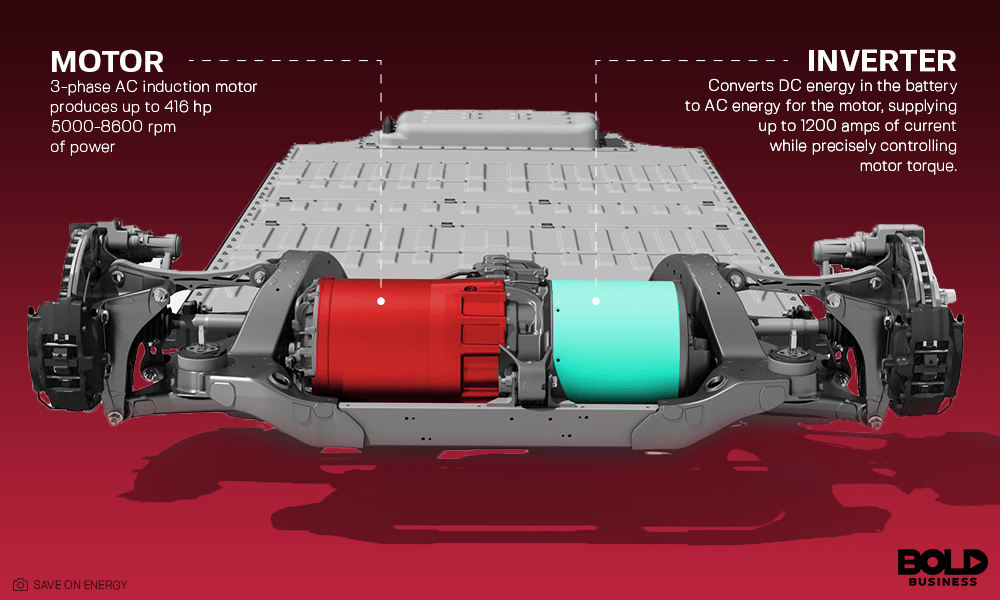
Choosing between AC motors and DC motors starts with understanding how each converts electrical energy into motion. AC motors run on alternating current, typically using induction or synchronous principles to create a rotating magnetic field that drives the rotor. They are prized for robustness, simplicity, and ease of integration with fixed mains power. DC motors operate on direct current, using commutation—either mechanical with brushes or electronic in brushless DC (BLDC) designs—to control current through the windings. They deliver straightforward speed control and responsive torque at low speeds. While AC machines often dominate in industrial settings and building systems due to durability and cost-effectiveness, DC options shine where precise control, compactness, or battery power is essential. The right fit depends on the balance of performance, control requirements, environment, and total cost of ownership. Start by mapping your load's behavior, duty cycle, available power source, and the level of control precision you need.
Torque, Speed, and Efficiency
The torque–speed profile is a decisive factor. DC motors typically offer strong starting torque and smooth low-speed operation, making them ideal for applications that need rapid acceleration, frequent starts and stops, or variable speeds without complex controls. AC induction motors often provide reliable performance at a fixed speed tied to supply frequency, but pairing them with a variable frequency drive (VFD) unlocks broad speed control and improved process optimization. Consider your load type: constant torque loads (conveyors, compressors) differ from variable torque loads (fans, pumps), which can gain substantial energy savings with speed control. Efficiency plays a major role in running costs; modern AC and BLDC solutions can be highly efficient when properly matched to the duty. For AC systems, power factor and harmonic content may influence energy bills and component sizing. Evaluate the full duty cycle, anticipated overloads, and required thermal headroom to avoid derating and performance shortfalls.
Control and Precision
If your application demands tight speed regulation, rapid dynamic response, or repeatable positioning, control architecture becomes central. DC motors respond predictably to voltage and field adjustments, enabling simple, fine-grained speed control with PWM drives. AC motors achieve comparable finesse when paired with a VFD offering vector control or sensorless algorithms, bringing high torque at low speeds and precise ramping. For high-accuracy tasks—robotics, pick-and-place, winding—consider servo-class systems (AC or BLDC) with closed-loop feedback via encoders or resolvers. Add braking (dynamic or regenerative) if stopping distance or cycle time is critical. Also assess control integration: I/O requirements, safety interlocks, communication with PLCs or motion controllers, and tuning tools. The more stringent the precision, the more you benefit from feedback, well-matched drives, and advanced control features. Ultimately, align control complexity and commissioning effort with the value of tighter performance and the skills available for ongoing tuning.
Environment and Maintenance
Real-world conditions strongly influence motor choice. AC induction motors are renowned for ruggedness, tolerating dust, vibration, and variable temperatures with minimal upkeep. Brushed DC motors deliver excellent controllability but require brush and commutator maintenance, which can add downtime in continuous-duty settings. BLDC options avoid brushes, using electronic commutation to extend life and improve reliability. Match the enclosure and IP rating to contaminants, washdown needs, and outdoor exposure. Verify cooling (self-ventilated vs. forced) and check whether the application involves frequent start–stop cycles that raise thermal stress. Bearings, lubrication intervals, and vibration levels affect lifespan and noise. Consider EMI/EMC requirements when using high-frequency switching drives. In hazardous or clean environments, ensure proper certifications and materials. By aligning motor construction with the duty cycle and site conditions, you minimize unplanned maintenance, protect nearby equipment, and sustain consistent uptime.
Costs and Power Considerations
Look beyond the sticker price to evaluate total cost of ownership (TCO). AC motors often provide lower upfront cost and broad availability, particularly for standard frames and ratings. Adding a VFD increases investment but may unlock sizable energy savings on variable torque loads. DC motors can be cost-effective where battery or DC bus power is native, reducing conversion stages. However, when DC must be derived from AC, factor in rectifiers, filters, and heat management. For AC systems, consider power quality, harmonics, and the potential need for line reactors or filters to protect upstream equipment. Estimate operating costs by combining efficiency, duty cycle, and local energy rates. Include maintenance time for brushes, bearings, and cooling paths, plus the cost of spares and downtime. Standardization across your fleet can lower inventory and training overhead. A careful lifecycle view often reveals that the right pairing of motor and drive pays for itself through reliability and energy performance.
Selection Checklist
Turn requirements into a decision-ready shortlist. Clarify your power source (AC supply, DC battery, or both) and the load profile (constant vs. variable torque). Define the speed range, starting torque, and acceleration/deceleration needs. Rank precision requirements: open loop may suffice for conveyors, while closed-loop feedback benefits robotics or tension control. Quantify the duty cycle, ambient conditions, enclosure needs, and any safety or certification constraints. Compare control strategies—simple DC drive, VFD with vector control, or full servo architecture—against your team's expertise and commissioning budget. Model energy consumption over the anticipated service life and weigh maintenance realities, including brushes, bearings, and cooling. Check physical constraints: footprint, mounting, shaft size, and integration with gearboxes or couplings. Where feasible, prototype or run a trial to validate thermal performance and control response. By aligning these factors, you can confidently choose between AC and DC solutions that fit your application and scale smoothly with future needs.