Beginner's Guide to Thriving Indoor Plants
Learn how to choose, water, light, and feed easy houseplants, avoid common mistakes, and build a thriving indoor jungle—no green thumb required.
Light Basics
Getting light right is the single biggest factor in thriving indoor plants. Most houseplants evolved under tree canopies, so they prefer bright, indirect light rather than harsh direct sun. Place light lovers near an east or bright north window, and position medium light plants a few feet back from a sunny exposure. Rotate pots a quarter turn weekly to counter phototropism, the natural lean toward light. If leaves are small, stems stretched, or colors dulled, your plant likely needs more light. Scorched patches and crispy edges suggest too much sun. Use sheer curtains to soften rays, or move plants away from hot glass. In deeper rooms, add supplemental lighting with full spectrum bulbs placed close to foliage, keeping them on a steady schedule. Low light stalwarts like pothos or snake plant tolerate dimmer spots, but still grow best when you can comfortably read a page there at midday. Observe, adjust, and let the plant guide placement.
Watering Wisdom
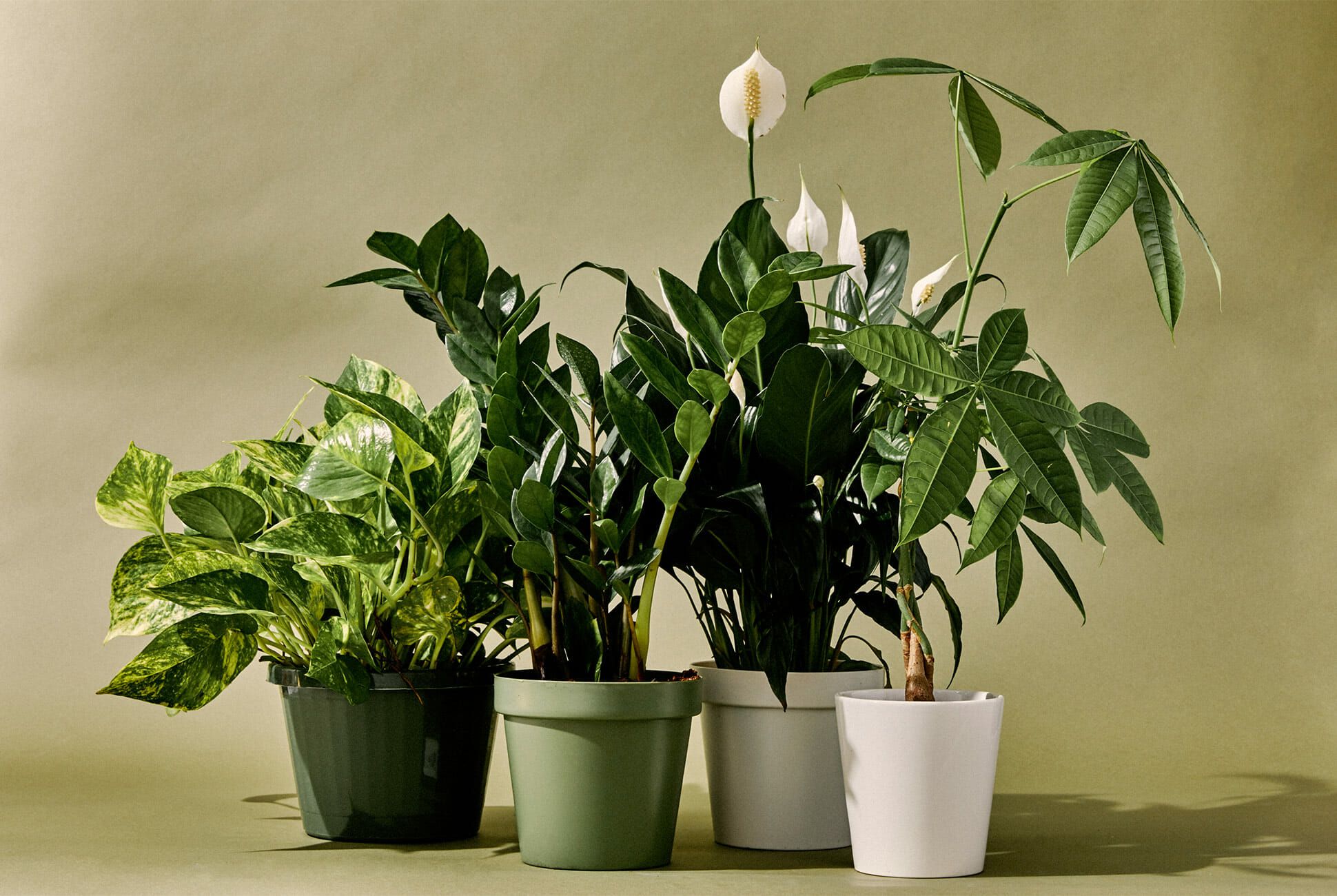
Most indoor plants fail from kindness, not neglect, and overwatering is often the culprit. Aim for a simple rhythm: water thoroughly until excess drains, then allow the top layer of mix to dry to a depth that suits the species. Use the finger test or learn the pot's weight to judge moisture. Always choose containers with drainage holes and empty saucers promptly to prevent root rot. Bottom watering can help evenly moisten dense mixes, while occasional top watering flushes salts. Adjust frequency with the seasons and your home's conditions; warmer, brighter rooms demand more water, while cooler, lower light slows uptake. Water quality matters too. Let tap water sit to reach room temperature and reduce chlorine off gassing, or use filtered if your water is very hard. Group plants by similar needs so you do not over serve one while under serving another. Remember, consistency and attentive observation beat rigid schedules every time.
Soil and Potting Essentials
Healthy roots live in a breathable potting mix, not compact garden soil. Most tropical houseplants thrive in a blend designed for aeration and drainage, often including perlite, bark, and peat free fibers. Cacti and succulents prefer a grittier medium that dries faster. Select pots only one size larger when repotting; too much fresh mix can stay soggy and stress roots. Terracotta breathes and aids evaporation, while glazed ceramic and plastic retain moisture longer. Skip gravel layers at the bottom; they reduce the vertical zone roots can safely occupy and can actually trap water. Instead, ensure a clear path through the drainage hole and use mesh or a shard to keep mix from escaping. Repot when roots circle densely, water runs straight through, or growth stalls despite good care. Tease out circling roots, trim damaged sections, and settle the plant at its previous soil line. Finish with a gentle watering to eliminate air pockets.
Humidity and Temperature Harmony
Indoor plants thrive with stable conditions. Keep temperatures consistent and avoid sudden swings from heaters, fireplaces, or air conditioners. Many popular species appreciate moderate humidity, which you can support by clustering plants to create a shared microclimate, placing pots on a pebble tray with water below the pot base, or running a room humidifier during extra dry periods. Bathrooms and kitchens can offer naturally higher moisture, provided there is adequate light and ventilation. Shield foliage from cold drafts near doors and windows, and protect from hot, direct air vents that parch leaves. When you bring a new plant home, offer gentle acclimation by easing it into brighter or drier spots over a couple of weeks. Dust acts like sunscreen for leaves, so wipe them with a damp cloth to keep pores clear and photosynthesis efficient. Monitor leaf edges and tips; crisping suggests dryness or salt buildup, while limp growth can signal chill or excess moisture.
Feeding, Grooming, and Support
Plants in containers eventually exhaust nutrients, so provide fertilizer during active growth at a gentle dilution to avoid burn. Consistency beats intensity; light, regular feeding supports steady development. Occasionally flush the pot with plain water to reduce accumulated salts. Practice mindful pruning to shape plants, remove yellowing leaves, and redirect energy to healthy growth. Always use clean, sharp tools to maintain sanitation and minimize disease spread. Encourage bushier habits by pinching soft tips on suitable species, and offer support with stakes or trellises for vining or top heavy plants. Clean leaves to maximize light capture, and reposition trailing varieties so they receive even exposure. Try basic propagation through stem cuttings, division, or leaf starts to refresh a leggy specimen and multiply favorites. Keep a simple care log noting light levels, watering dates, and changes, so you can connect actions with outcomes and refine your approach with confidence.
Troubleshooting and a Simple Routine
A steady routine helps you notice small changes before they become big problems. Inspect weekly for pests like spider mites, mealybugs, scale, and fungus gnats. Early, gentle intervention with soapy water, neem based products, or sticky traps often resolves issues without harsh measures. Always quarantine new or distressed plants away from your collection until they are clear. Distinguish symptoms: yellow lower leaves and wet soil suggest overwatering, while crisp tips and dry soil point to underwatering or low humidity. Pale, stretched growth often signals insufficient light. Wipe dust from leaves, turn pots for even growth, and trim spent foliage. Refresh topsoil if it compacts, and repot when roots fill the container. Create care zones at home by grouping plants by light and moisture needs, then walk each zone with a checklist for watering, grooming, and observation. Celebrate new growth, accept the occasional setback, and let curiosity guide your ongoing learning.