Brushless vs Brushed: Choosing the Right Motor for Your Project
Unsure between brushed and brushless DC motors? Learn differences, pros and cons, and a simple checklist to pick the right drive for performance and budget.
Understanding Motor Fundamentals
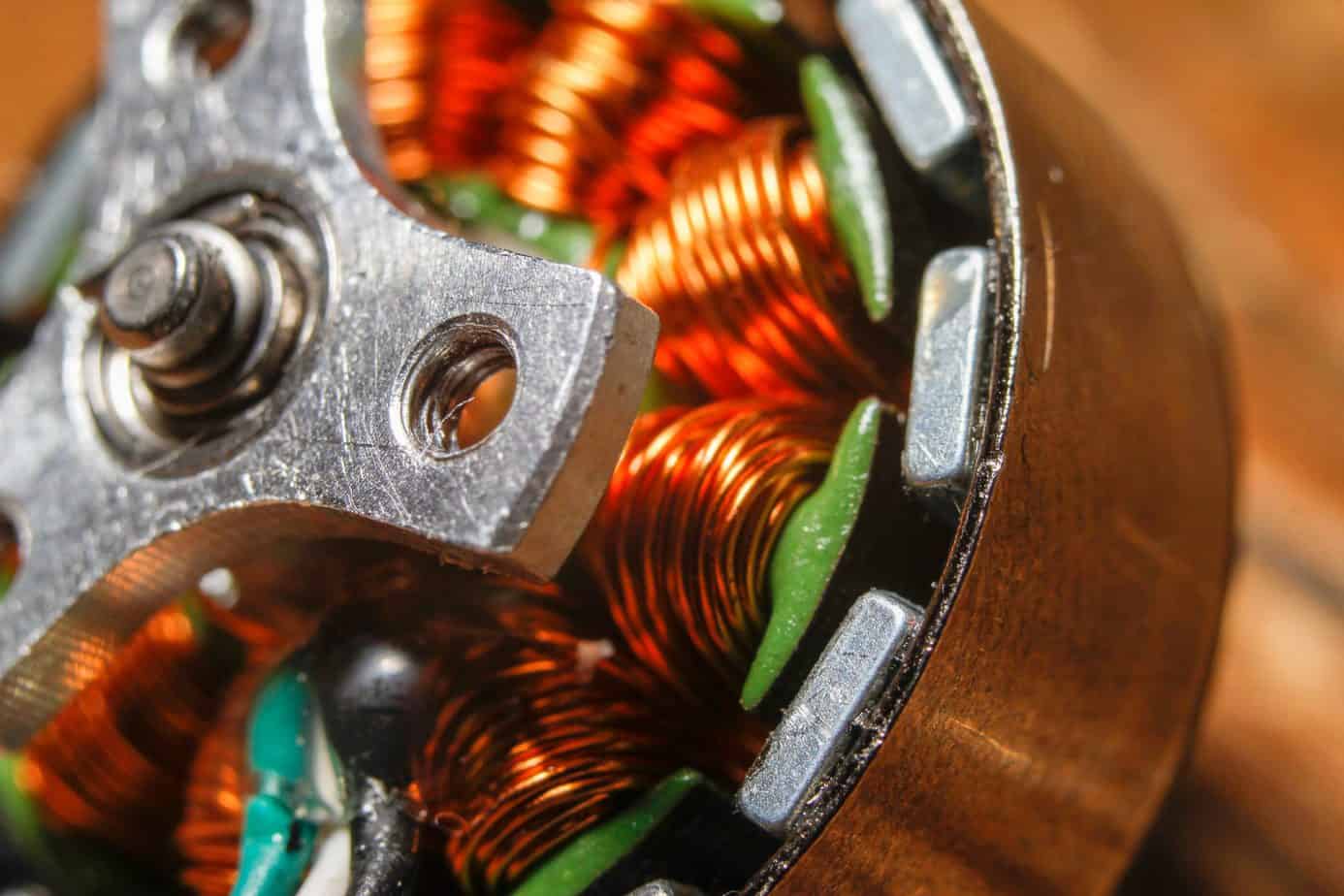
At the core of the motors category, the choice between brushed motors and brushless motors hinges on how they handle commutation—the switching of current to keep the shaft turning. A brushed motor uses a mechanical commutator and carbon brushes to reverse current in the rotor (armature) as it spins inside a magnetic stator. This makes brushed units simple to power directly from DC, easy to reverse, and straightforward to integrate. However, brushes wear, create friction, and generate electrical noise. A brushless motor (BLDC) flips the arrangement: permanent magnets on the rotor, copper windings on the stator, and switching performed electronically by an ESC (electronic speed controller). By eliminating brushes, BLDC designs reduce heat and maintenance, enable higher speeds, and improve efficiency and longevity. The trade-off is the need for a controller and slightly higher upfront complexity. Understanding these architectures sets the stage for a clear, application-driven decision.
Power, Torque, and Efficiency
When comparing performance, efficiency and torque delivery are primary considerations. Brushed motors often deliver strong starting torque and predictable low-speed behavior, which is helpful for simple gear-driven mechanisms and intermittent loads. Yet mechanical commutation introduces losses, causing more heat under sustained duty. Brushless motors typically achieve higher power density, offering more output for the same size and mass, with less waste heat and better sustained operation. Their improved efficiency extends battery life and reduces thermal stress on surrounding components. At very low speeds, some BLDC designs can exhibit cogging torque or startup hesitation if control tuning is off, but sensored control and refined ESC algorithms mitigate that. At medium to high speeds, brushless motors shine with smoother operation, lower vibration, and minimal performance fade over time. If your project needs continuous power without overheating, or demands compact packaging for a given wattage, brushless efficiency is a compelling advantage.
Control and Commutation Strategies
Control simplicity is a hallmark of brushed motors: a basic H-bridge and PWM provide speed control and direction, making integration approachable for beginners and quick prototypes. With brushless motors, the controller does the switching, reading either back-EMF (sensorless) or Hall sensors/encoders (sensored) to time the phases. Sensorless ESCs reduce wiring and cost but may struggle at zero or very low RPM, while sensored setups excel at precise positioning, smooth startups, and consistent low-speed torque. Advanced strategies like FOC (Field-Oriented Control) deliver quiet, efficient operation with excellent dynamic response, at the expense of more configuration. Consider your system's brains: if you already use a microcontroller or motion platform, BLDCs integrate well through serial/UART, CAN, or simple PWM commands to the ESC. Plan for EMI management, decoupling capacitors, and proper grounding. Whether you need open-loop simplicity or closed-loop precision, the right control approach drives reliability and performance.
Cost, Maintenance, and Longevity
Project budgets often start with sticker price, but total cost of ownership tells the fuller story. Brushed motors are usually cheaper upfront and need only basic drivers. Over time, however, brush wear leads to performance drift, arcing, and the need for service or replacement—especially under high duty cycles or frequent start-stop conditions. Brushless motors and their ESCs cost more initially, yet their reduced maintenance, cooler operation, and resistance to mechanical wear often pay back in uptime. Environmental factors matter: brushed designs can shed carbon dust and emit sparks—undesirable in dusty, sealed, or sensitive spaces—while BLDCs tend to be cleaner with lower EMI when properly filtered. Both types rely on bearings, so quality there affects life regardless of commutation method. Consider thermal management (airflow, heatsinks), ingress protection, and access for servicing. If your design must run long hours, minimize downtime, or meet strict noise and reliability targets, brushless frequently wins over the product lifecycle.
Matching Motors to Real-World Applications
Application context is the strongest guide. For propulsion (drones, compact fans, lightweight vehicles) where high RPM, weight savings, and endurance matter, brushless motors dominate due to superior efficiency and controllability. In robotics, BLDCs paired with encoders enable smooth trajectories, while small brushed gearmotors remain attractive for budget builds needing quick, high stall torque at low speed. Power tools and spindles benefit from brushless torque density and thermal headroom, sustaining output without burning up. Conversely, actuators, simple conveyors, and classroom projects may favor brushed DC for rapid integration and forgiving control. For quiet operation, BLDCs typically produce less audible and electrical noise when driven with modern ESCs, a win in consumer or lab environments. Consider duty cycle, load inertia, required response time, space constraints, and expected runtime. Mapping these requirements to motor traits quickly reveals which technology aligns with your use case and constraints.
Sizing, Ratings, and Key Specifications
Choosing the right motor means matching voltage, current, speed, and torque to your load. For BLDCs, the Kv rating indicates RPM per volt; lower Kv means higher torque constant (Kt) and better low-speed authority for a given current. For either type, study continuous and peak ratings, recognizing that peaks are time-limited by thermal limits. Calculate required torque at the shaft, account for gear ratios, and include friction, acceleration, and worst-case load spikes. Provide headroom so the motor is not constantly at its limit. Confirm your power supply or battery can deliver the needed current with appropriate C rating, and size wiring and connectors to avoid voltage sag. Plan cooling via airflow or heatsinking, and verify that mounting allows heat to escape. Where precision is required, pair with encoders or Hall sensors. A thoughtful sizing process prevents overheating, brownouts, and premature wear, turning a promising design into a robust one.
A Practical Framework for Decision-Making
To make a confident choice, align your constraints with motor traits. Prioritize budget, integration effort, and timeline? A brushed motor with a simple driver may get you moving fastest. Need efficiency, long runtime, low maintenance, and tight control over speed and position? A brushless motor with a capable ESC and, if necessary, sensors is the better fit. Evaluate duty cycle, ambient temperature, and cooling; continuous-heavy workloads generally favor BLDC. Consider noise, EMI, and environmental risks—sparking from brushes can be problematic in sensitive or dusty spaces. Prototype early: measure current draw, note temperature rise, and log response under real loads. If you observe overheating, cogging, or sluggish starts, iterate with gearing, control tuning, or a different Kv/size class. Document wiring, firmware settings, and test conditions so results are repeatable. With clear requirements and disciplined testing, the brushed-versus-brushless question becomes a straightforward engineering decision.