Credit Scores Demystified: Factors That Matter and Habits That Help
Learn what truly drives your credit score—payment history, utilization, and more—and adopt simple, proven habits to build, protect, and sustain it.
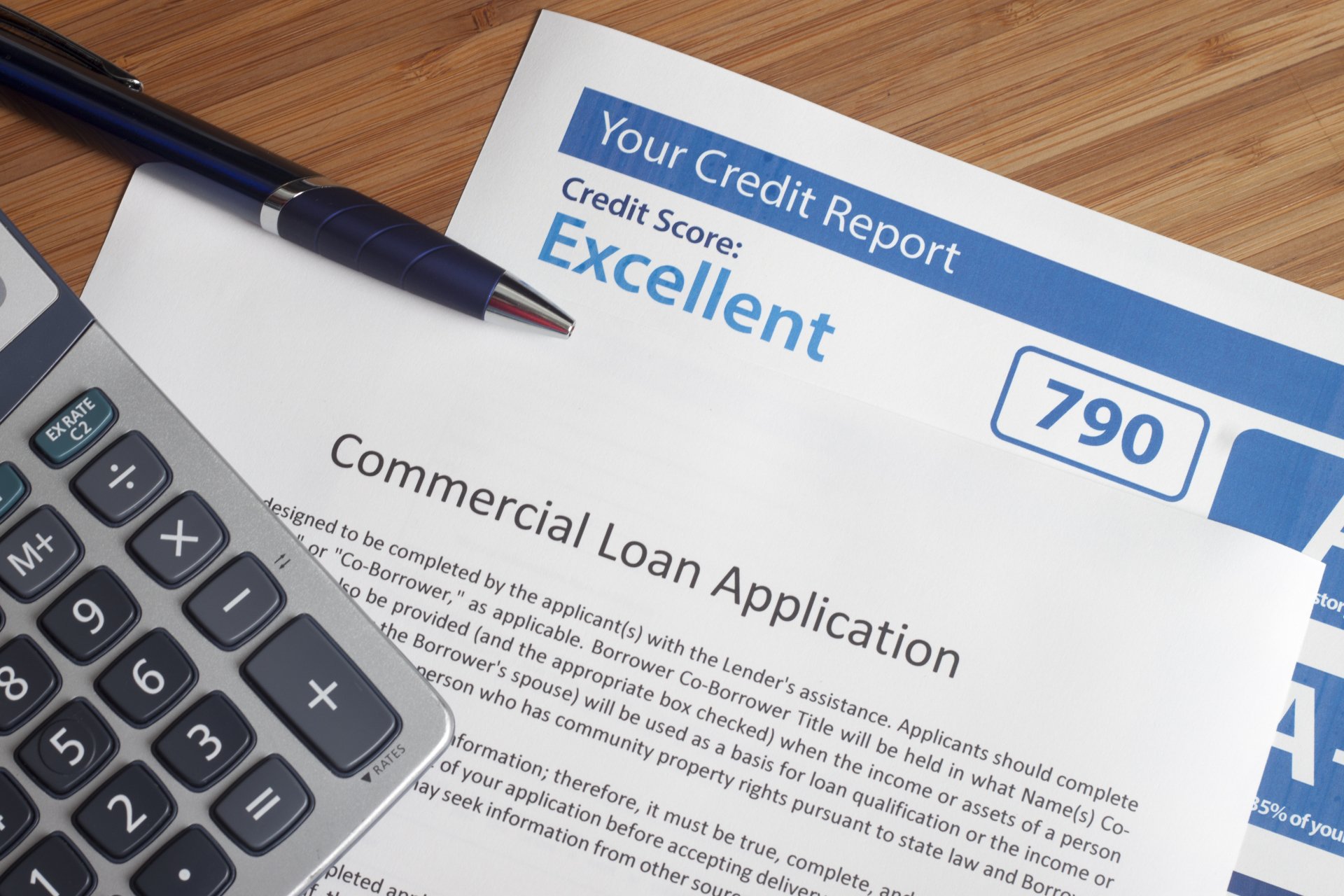
What Your Credit Score Means. Your credit score is a three-digit summary of your creditworthiness, designed to predict how likely you are to repay borrowed money. Lenders, landlords, and insurers may use it to price risk, while some employers review your credit report (not the score) for roles involving money management. Scores reflect behavior in your credit files; they do not directly measure income, savings, or your net worth. Five pillars generally shape a score: payment history, credit utilization, length of credit history, credit mix, and new credit activity. A strong score can lower borrowing costs and expand options; a weaker one can limit approvals or raise rates. Crucially, the score is a moving target that updates as accounts report. Small, consistent choices—paying on time, keeping balances low, and applying strategically—compound into big results. Think of the score as a snapshot of patterns, not perfection. Occasional use, clear records, and thoughtful planning help the picture look its best.
Payment History: The Weightiest Factor. Most scoring models place the greatest emphasis on on-time payments. A single payment 30 days late can dent a score, and longer delinquencies, charge-offs, or collections do more harm. Prevent missteps by enabling autopay for at least the minimum on every account, then paying the statement balance to avoid interest. Use calendar reminders, confirm due dates, and align them with payday if your issuer allows it. If cash gets tight, contact creditors early to request hardship plans, payment arrangements, or a temporary forbearance; proactive communication can keep a late mark off your file. Know the difference between a grace period for interest and the reporting clock for lateness—creditors typically report when you are a full cycle past due. If a mistake happens, catch up quickly and ask for a goodwill adjustment after a stretch of timely payments. Positive habits do not erase negatives instantly, but they rebuild a trustworthy pattern over time.
Credit Utilization: Balances Versus Limits. Your credit utilization ratio compares your revolving balances to your total credit limits and heavily influences scores. Lower is better, because it signals room to manage expenses without strain. Aim to keep overall and per-card utilization below about 30%, with single-digit levels being ideal for top-tier results. Practical tactics: make mid-cycle payments before the statement closing date so reported balances stay low; spread purchases across cards to avoid maxing one line; request credit limit increases only when you can avoid extra debt; and favor multiple, smaller payments throughout the month. Remember, utilization is mostly about revolving accounts like credit cards—installment loans do not count the same way. Avoid carrying a balance just to show activity; transactions plus timely full payments already demonstrate use. If you are paying down high balances, focus first on the card with the highest utilization, then cascade to others to bring ratios into a healthier zone.
Age and Stability: Let Time Work for You. The length of credit history rewards consistency. Scoring models consider the age of your oldest account, the average age of accounts, and how recently different lines were opened. Closing an old card can shorten that average and, if it reduces available limit, may raise utilization too. When possible, keep long-standing cards open, even if used lightly—set a small recurring charge and autopay it monthly to keep the account active. If you are building from scratch, becoming an authorized user on a well-managed, established card can add positive history, provided the issuer reports it. Closed, positive accounts can remain on your credit report for a long time, still supporting your profile, but new negative marks can overshadow age benefits. Patience is a power tool here: steady, low-risk behavior across months and billing cycles gradually deepens your track record, signaling to lenders that your good habits are not a one-time event.
Mix, Applications, and Smart Monitoring. A varied credit mix—both revolving (cards) and installment (auto, student, personal) accounts—can help, but it is a minor factor; do not open debt you do not need. Be strategic with new credit. Each hard inquiry can nudge scores down briefly, while soft pulls do not affect them. When rate shopping for a loan, keep applications within a tight window so similar inquiries are treated as one. If you are building, consider secured cards or credit-builder loans, and pay on time to generate positive data. Some services can report rent or utilities, but confirm how they are reported and which models include them. Protect your progress with regular credit monitoring, dispute errors with the bureaus, and use fraud alerts or a security freeze if needed. Remember, budgeting, an emergency fund, and responsible debt management support your score indirectly by preventing missed payments. Sustainable routines—not hacks—deliver durable, lower-cost access to credit.