Declutter to Breathe: A Simple Guide to Minimalist Living
Clear the clutter, clear your mind. This simple guide to minimalist living shows you how to pare down with purpose, create calm spaces, and breathe easier.
Begin with Intention. Minimalist living starts with intention, not deprivation. The goal is to create breathing space so your time, energy, and attention are free for what truly matters. Clutter saps focus, crowds your schedule with extra decisions, and adds tiny stressors you stop noticing until they fade away. Think of minimalism as purposeful ownership rather than sterile emptiness. You keep what serves your values, supports daily ease, and sparks a sense of calm. Begin by noticing where you feel friction at home: the drawer that sticks, the pile that migrates, the closet that groans. Ask whether each item helps you live the life you want. If the answer is no, you have discovered a place to start. This approach is compassionate and practical. It honors what you love while releasing what weighs you down. As you reduce noise around you, you will often find your breathing deepens, your thoughts clear, and your routines feel lighter and more grounded.
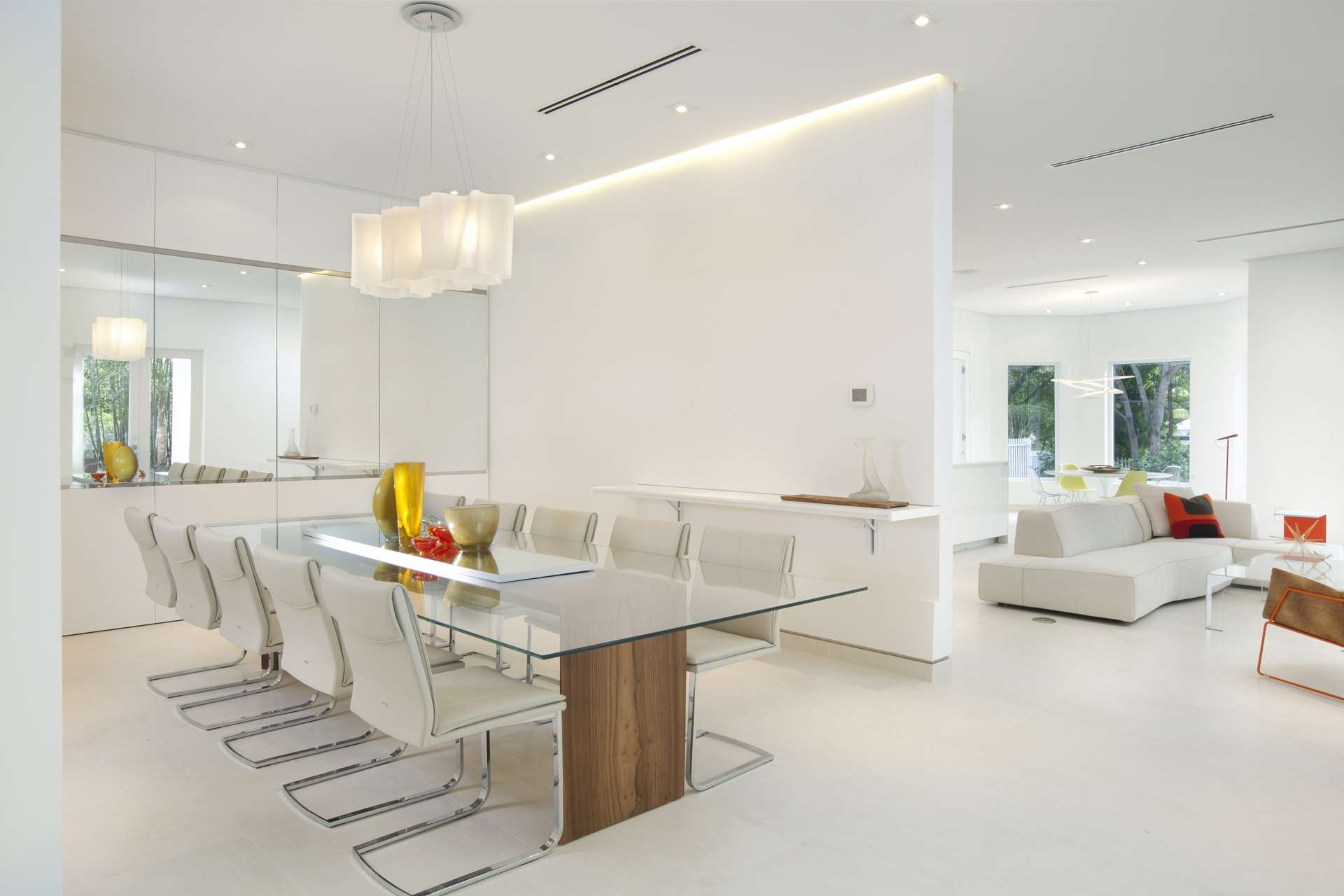
See What You Have. Before you declutter, you need clarity. Walk through each room with open eyes and a calm pace. Notice visual noise like crowded surfaces and overstuffed corners. Identify hotspots where clutter gathers quickly, and reflect on why that happens. Is it a missing hook, an inconvenient shelf, a habit gap at the door? Make a quick map of your home and label zones by function: rest, work, cooking, play, and storage. Observe traffic patterns and how often items are truly used. Separate essentials from rarely touched things by placing daily tools within easy reach and moving seldom used items aside for review. Photograph a space before and after a small tidy to see the difference in mental load. The aim is honest assessment without judgment. You are simply learning how your environment supports or hinders your lifestyle. From this foundation, choices become clearer, and every change aligns with comfort, flow, and genuine need.
A Simple Declutter Method. Create a gentle, repeatable system so progress feels steady. Choose one small zone at a time: a drawer, a shelf, a single surface. Prepare four containers labeled keep, donate, recycle, and discard. Handle each item once, making a firm call based on use, joy, and fit for your current life. Keep what you use often and love sincerely. Donate what is good but not right for you now. Recycle and discard responsibly to honor the planet. Use the container principle: your shelves and drawers set natural limits. If a category overflows, reduce it until it fits with ease. Practice the one-touch habit by returning keepers to their true home immediately. End each session by resetting the area fully, so you experience the reward of clear space. Short, frequent sessions beat marathon efforts. The goal is momentum without overwhelm, turning decluttering into a supportive rhythm rather than a stressful project.
Letting Go with Care. Emotional weight is often heavier than physical weight. Approach sentimental items with compassion and boundaries. Keep the best, not the most. Select a few meaningful pieces that truly represent the memory and give them places of honor. For the rest, try a gentle release ritual: photograph the item, write a brief note about why it mattered, and then allow it to move on. Remember the sunk cost truth; keeping something you do not use does not reclaim the time or money already spent. Guilt is not a storage strategy. If a gift no longer supports your life, appreciate the intent and free the object. For tricky categories, create a memory box with a clear size limit. When it is full, edit with care. Grief, joy, and identity can all surface during this process. Pace yourself, breathe, and celebrate each decision that aligns your space with your present season.
Build Light Routines. Minimalism becomes durable through habits. Design small daily actions that keep clutter from returning. Try a brief evening reset: clear surfaces, return essentials to their homes, and prepare for the next morning. Create an entryway landing zone with a tray for keys, a hook for bags, and a bin for mail. Sort mail immediately into action and recycle, so it never piles up. Use one in, one out for categories that love to multiply, like mugs, towels, and tech accessories. Schedule a weekly edit for a hot zone such as the kitchen counter or coffee table. Make labels visible and storage simple, so putting things away is easier than dropping them anywhere. Anchor tidy moments to existing cues, such as after brushing your teeth or brewing coffee. These micro routines protect your breathing space, reduce decision fatigue, and transform order from a project into a natural part of daily life.
Declutter the Digital. Digital clutter drains focus just like physical mess. Start by pruning notifications so only truly important alerts reach you. Batch-check messages at set times to reclaim long stretches of deep attention. Unsubscribe from newsletters you do not read, archive completed conversations, and use simple folders for quick retrieval. Clear your desktop and home screen, keeping only essential apps and documents visible. Tidy your photo library by deleting duplicates and blurry shots, then create a few meaningful albums. Set a limit for open tabs, and keep a capture list for ideas so your browser does not become storage. Consider intentional offline windows to reset your nervous system. Back up files regularly, then let go of what you no longer need. Minimalist tech is not about fewer tools; it is about intentional use. When your digital world is calm, you think more clearly, act more decisively, and finish your day with a real sense of completion.
Design for Ease. Organize your home to make the right choice the easy choice. Favor negative space so shelves and countertops can breathe. Store daily essentials at eye level and within arm's reach. Use multipurpose items and simple color palettes to reduce visual clutter. Add drawer dividers, small trays, and clear bins so every category has a defined home. Vertical storage with hooks and wall rails keeps floors open and cleaning quick. Rotate seasonal items out of sight to keep active zones lean. Curate decor thoughtfully, choosing a few meaningful pieces over many fillers. Let natural light, plants, and calming textures support a grounded mood. When you discard, do it responsibly: repair when possible, donate thoughtfully, and recycle according to local guidelines. These choices honor both your lifestyle and the planet. A well-designed minimalist home feels welcoming, not austere; it invites rest, creativity, and easy maintenance, freeing your attention for richer moments.
Live the Minimalist Way. The promise of minimalism is not a perfect home but a freer life. With fewer possessions to manage, you gain time for relationships, movement, learning, and rest. Practice mindful consumption by pausing before purchases, borrowing or sharing when practical, and choosing quality that lasts. Keep a running wish list, wait, and reassess later; most urges fade when given space. Celebrate progress over perfection and adjust as your seasons change. Revisit drawers, habits, and priorities with gentle curiosity. Share the journey with those you live with; invite, do not force, and model the benefits through calm and consistency. Minimalist living is a craft, not a finish line. Every clear surface is an invitation to breathe, create, and connect. As you align your environment with your values, you will notice a quiet confidence rising. Your home becomes a supportive partner, and your days unfold with intention, ease, and genuine joy.