Declutter Your Space, Clear Your Mind: A Gentle Guide to Minimal Living
Create calm by simplifying what you own and how you live. This gentle guide helps you clear clutter, find focus, and make space for what matters.
Begin With Why: Minimal living is less about stark rooms and more about aligning your space with your values. When you practice intentional choices about what you keep, you trade visual noise for calm, decision fatigue for clarity, and chasing trends for a steady sense of enough. Start by noticing how your rooms make you feel: which surfaces invite rest, and which corners provoke stress. Name your top three values, such as creativity, connection, or well-being, and let them guide what earns a place at home. See clutter as anything that steals focus or adds friction, not just excess objects. Approach change with kindness, moving at a human pace, and celebrate small wins. This mindset turns decluttering from a purge into a care practice, where each item kept has a job, a home, and a story you still live. In this way, every cleared surface becomes a quiet reminder that your life, not your stuff, is the main event.
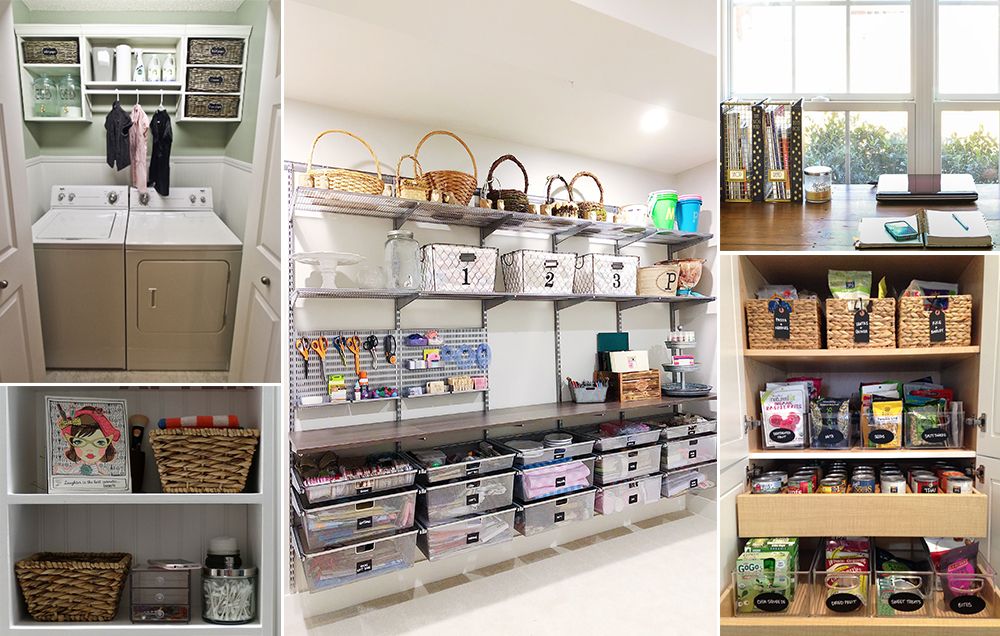
Start Small And Specific: Big overhauls can stall momentum, so begin where success is easiest. Choose a single drawer, one shelf, or your nightstand, and set a short timer to create a quick win. Use a simple three-box flow: keep, donate, discard. Touch every item and ask clear questions: Do I use this? Do I love this? Would I buy it again today? Prioritize low-hanging wins like duplicates, expired goods, broken tools, and extras you hold just in case but never use. Create a one-in, one-out habit for categories that tend to expand, such as mugs, makeup, or tech cables. End each mini session by resetting the space fully so you experience the reward immediately. The positive feedback of a tidy micro-zone fuels the next step, and consistency beats intensity. By stacking tiny victories daily, you build confidence, refine your sense of enough, and reduce decision fatigue before you tackle bigger rooms.
Design Supportive Systems: Organization sticks when your home removes friction. Give everything a clear home near the point of use: keys by the door, chargers by the desk, pantry snacks at eye level. Prefer open, breathable storage over deep mystery bins, and label clearly so anyone can reset the space. Keep surfaces mostly clear to cut visual noise, and corral small items in trays to prevent scatter. Set a short daily reset: dishes done, counters wiped, floors quick-swept, trash out. Anchor tidying to routines you already have, like brewing coffee or evening wind-down. Build a capsule wardrobe that suits your climate and lifestyle, then store off-season items together to reduce closet churn. Extend simplicity to the digital world by batch unsubscribing, cleaning your desktop, and creating a few purposeful folders. When your systems do the heavy lifting, you save time, protect attention, and make the tidy choice the easiest one.
Clear Mental Clutter: Stuff holds stories, and emotions can tangle your progress. Meet sentimental items with gratitude and choose a few that truly represent the memory; a photo of a collection can free you from storing the entire set. Notice fear-based scripts like what if I need this someday and counter them with realistic plans, community sharing, or a defined container limit. Simplify your inputs too: fewer apps, fewer notifications, quieter color palettes, and a calmer soundscape. Create boundaries in your calendar by protecting white space and saying no kindly, because schedule clutter becomes home clutter. Weave in mindful pauses while you tidy, exhaling as you release each item. Pair decluttering with self-compassion; progress is not linear, and relapses are normal moments to reset, not reasons to quit. As your surroundings quiet, you may hear your own priorities more clearly, making future decisions simpler and more aligned.
Keep It Gentle And Ongoing: Minimal living is a practice, not a finish line. Plan short seasonal reviews of hotspots like entryways, bathroom drawers, kitchen gadgets, and kids art to prevent backlog. Use simple prompts: does this serve current life, does it lighten the day, could it help someone else more than it helps me. Celebrate what you release by directing it to thoughtful donation or responsible recycling, and track your wins to reinforce the habit. Protect your gains with guardrails: shopping lists, cooling-off periods, and favoring quality over quantity. Invite household members into the process with shared rules that respect different comfort levels. Keep a small outbox by the door to catch outgoing items and empty it regularly. Most of all, let joy, ease, and purpose be your filters. When your space supports how you actually live, you reclaim time, attention, and energy to invest in what matters most.