Design a Weekly Review That Drives Consistent Progress
Build a 60-minute weekly review that turns intentions into consistent progress with clear priorities, tight feedback loops, and focused next actions.
Define the destination. A weekly review exists to transform motion into progress, converting scattered effort into deliberate, compounding results. Start by clarifying what progress actually means for you across work, learning, health, and relationships. Translate vague intentions into clear outcomes: finish a draft, ship a feature, or complete a course module. Write a brief success statement for the coming week, then map it to no more than three priority outcomes so focus stays sharp. Ask: What truly matters if everything else slips? Why does it matter now? What evidence will confirm it happened? This tight loop converts ambition into observable commitments. From there, decide on a cadence and a consistent setting that reduces friction: a quiet location, a beverage you enjoy, and a simple checklist. Treat the review like a meeting with your future self. When the purpose is explicit and the setup repeatable, the weekly review becomes a dependable engine for consistent progress.
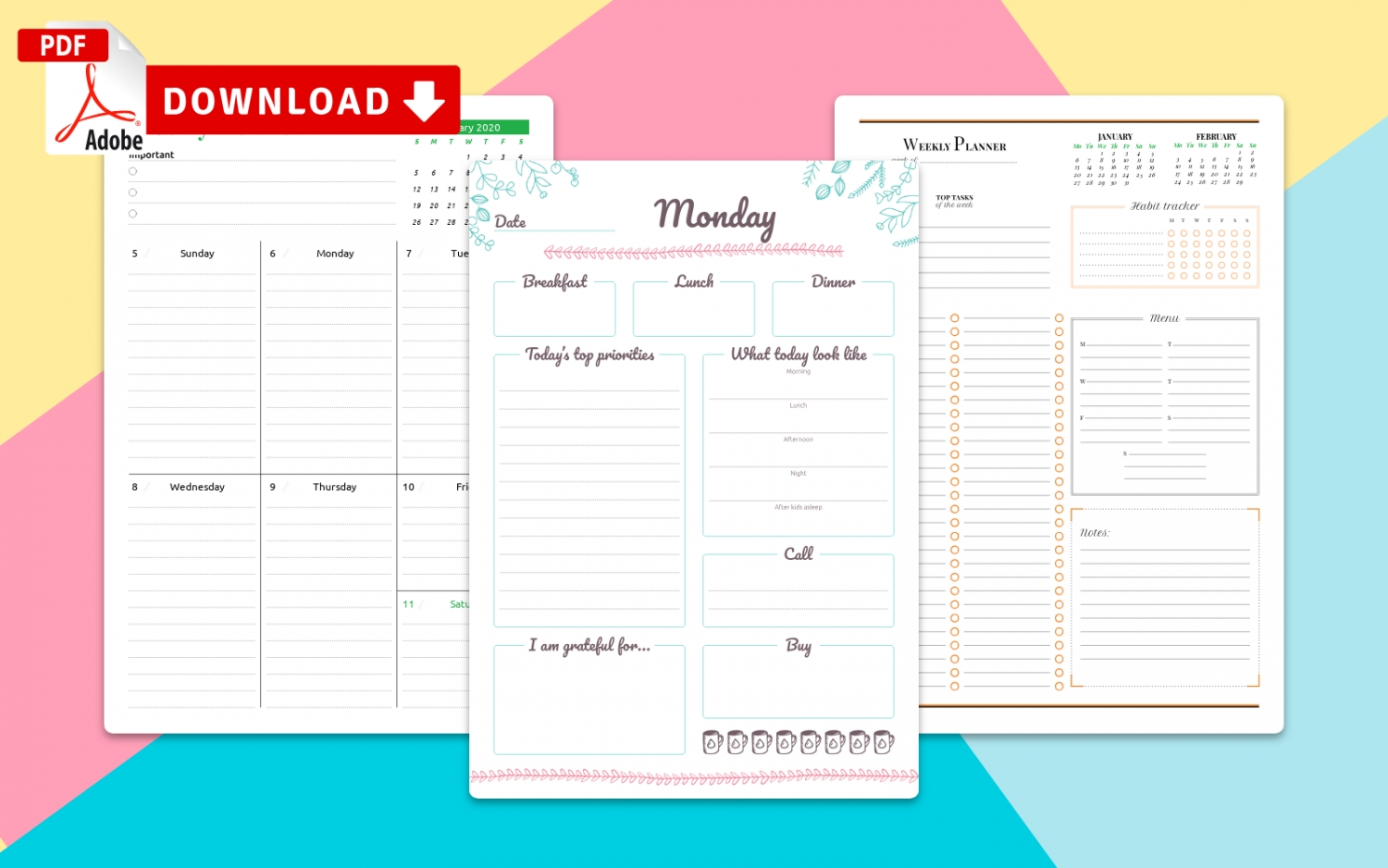
Prepare your inputs. Preparation makes the review fast and honest. Before you start, gather every relevant input source: task manager, calendar, notes app, email, messages, sticky notes, notebooks, photos of whiteboards, and any project dashboards. Create an inbox aggregator by forwarding, scanning, or snapping everything into a single capture tool. Close unrelated tabs, silence notifications, and set a timer to create a focused container. Keep a reusable review template nearby: past wins, open loops, calendar sweep, project status, metrics, risks, next week plan, and improvements. Have labels for quick classification: Next, Scheduled, Waiting, Someday, Archive. Bring a friction log to note any blockers that slowed you down. Preparation is about making the invisible visible, so your decisions rest on complete information rather than memory or mood. When inputs are consolidated and your template is ready, the review becomes lighter, faster, and far more trustworthy.
Sweep your calendar. Conduct a two-way calendar sweep: look back to extract learnings, then look forward to prevent surprises. Backward, scan last week for commitments kept, ones you moved, and ones you quietly ignored. Mark kept promises as wins, then ask why moved or missed items slipped: scope? energy? dependencies? Convert insights into small safeguards, like earlier prep or shorter meeting durations. Forward, examine the next two to four weeks for deadlines, travel, recurring meetings, and seasonal ramps. Decide what to keep, renegotiate, or cancel so your calendar reflects reality, not wishful thinking. Block deep work windows for priority outcomes, and add buffers around intense sessions. Pair time blocks with energy cues: morning for focus, afternoon for collaboration, evening for personal admin. If your schedule clashes with priorities, change the schedule, not the priorities. The calendar sweep ensures that your time is aligned with what matters most.
Audit tasks and projects. Open your task manager and perform a full audit. Move every item into one of a few simple lanes: Doing, Next, Waiting, Scheduled, Someday, or Done. For each active project, confirm a visible next action that could be started in ten minutes without extra thinking. If a task feels stuck, it is likely missing a decision, a resource, or a smaller first step; rewrite it to remove ambiguity. Identify blocked items and record the true dependency: a person, document, approval, or event. Add a specific follow-up, with context and a date. Merge or archive duplicates, and bold what still matters by deprioritizing the merely urgent. Treat this like tuning an instrument: you are reducing friction and restoring clarity of motion. When your projects each have a concrete next move and nothing is hiding in the weeds, weekly execution becomes smoother, quicker, and measurably more productive.
Capture, clarify, and categorize. Free your mind with a quick brain sweep: write everything tugging at your attention, from micro errands to big ideas. Do not evaluate while capturing; volume first, then meaning. Next, clarify each item: What is it? What outcome does it support? Is it actionable? If yes, define the very next step; if no, file it as Reference, Someday, or Trash. Then categorize by context and energy: Deep Work, Quick Wins, Calls, Errands, Collaborations. Keep categories few and meaningful to speed selection later. Tag tasks by time sensitivity and risk, not just importance, to avoid last-minute scrambles. Link tasks to their parent outcomes so each click reminds you why it matters. The trio of capture, clarify, and categorize turns noise into organized intention, shrinking decision fatigue during the week. When everything has a trusted place and a clear label, you reclaim focus for the work that truly moves the needle.
Measure what matters. Add a lightweight dashboard to your review. Pick leading indicators you control and lagging indicators you observe. For example: sessions of deep work, key tasks completed, outreach attempts, learning reps, and recovery markers. Track a few consistent metrics rather than many sporadic ones; the goal is feedback, not spreadsheets. Pair numbers with short narratives: What worked? What didn't? Where did energy dip? Note one root cause per miss and propose a small countermeasure, like smaller task slices or earlier starts. Include a simple win log to reinforce momentum and a regret snapshot to surface patterns worth changing. Over time, watch for trend lines, not single data points. If a metric stops guiding decisions, retire it. Good measurement turns the weekly review into a navigation system, helping you steer by evidence instead of impulse and continuously refine how you create consistent progress.
Plan the next sprint. Convert insights into a focused plan. Choose a Big Three for the week: one significant outcome per major area. Break each into first moves that fit your calendar realities, then timebox them with generous buffers. Schedule deep work blocks like appointments and protect them with boundaries: meeting-free zones, do-not-disturb, and a visible status. Balance ambition with capacity by leaving margins for interruptions and life maintenance. Design if-then plans for likely risks: if a meeting overruns, then move the writing block to early morning; if energy dips, then switch to Quick Wins. Bundle shallow tasks into batch windows to reduce context switching. Precommit to one small, daily action that advances a core outcome, building momentum even on hectic days. When the plan is simple, visible, and energy-aware, execution becomes less about willpower and more about following a clear path.
Close the loop and improve. End with a brief reset ritual so next week starts clean. Tidy your workspace, archive scattered notes, and stage the first task of Monday so you begin in motion. Confirm your next review time and protect it on the calendar. Update your friction log with one process improvement to test: a shorter checklist, a different review time, a clearer label, or a better meeting boundary. Send any essential nudges or confirmations while your review insights are fresh. Celebrate one meaningful win to reinforce identity: I am someone who keeps promises to myself. Then step away. Consistency grows from a forgiving, repeatable system, not heroic sprints. By closing the loop each week, you prevent drift, learn from feedback, and reclaim control of your attention. The weekly review becomes both compass and throttle, quietly driving steady, compounded progress without burnout.