Lighting Tips to Brighten Dark Rooms
Brighten gloomy rooms with layered lighting, reflective surfaces, smart bulb choices, and simple layout tweaks that maximize natural and artificial light.
Start With Natural Light
Maximizing natural light is the fastest way to lift a dim room. Begin by removing anything that blocks windows: heavy drapery, tall headboards, oversized plants, or cluttered sills. Clean glass, frames, and screens so daylight enters freely, and choose sheer or light-filtering treatments that preserve privacy without sacrificing brightness. Arrange furniture to keep sightlines open; a low-profile sofa or a leggy console lets light travel deeper. Place a mirror opposite or adjacent to a window to bounce sunlight across the space, and consider glass or acrylic tables that do not visually or physically interrupt illumination. Lighten the window recess with a crisp, pale paint to act like a built-in reflector. If a room has only one small opening, support it with glossy accessories, pale rugs, and metallic accents that scatter light. Even shifting a bookcase away from a window wall can unlock valuable brightness you already have but were unintentionally blocking.
Layered Lighting Plan
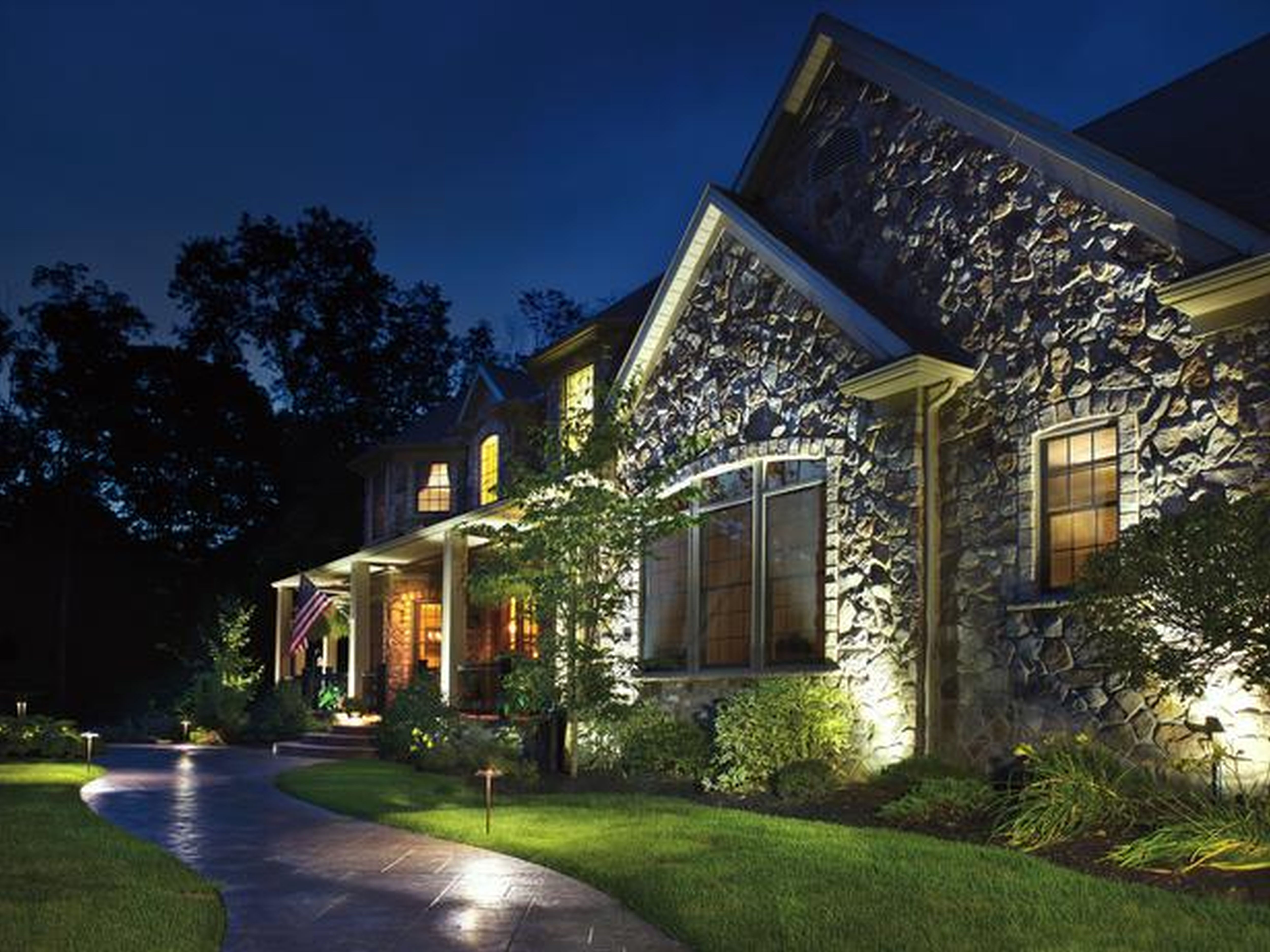
A bright room relies on a layered lighting strategy that blends ambient, task, accent, and decorative sources. Ambient lighting sets the baseline glow; think ceiling fixtures, large pendants, or a grid of soft downlights for even coverage. Task lighting focuses illumination where you work or read: desk lamps, under-cabinet bars, or an adjustable floor lamp by a chair. Accent lighting adds dimension and contrast, washing walls, highlighting art, or backlighting shelves to push light into shadows. Decorative pieces, such as sculptural sconces or a statement chandelier, contribute sparkle and personality while still brightening the room. Use dimmers on as many circuits as possible to adapt brightness for activity and mood, then group lights into flexible zones so you can brighten a dark corner without overlighting the entire space. A thoughtful mix prevents flatness, reduces glare, and ensures you have targeted brightness wherever you need it most.
Choose the Right Fixtures
The right fixtures can multiply brightness without increasing bulb count. Favor designs that spread light widely: drum pendants with diffusers, semi-flush mounts that push light out and up, and sconces with translucent shades for glow instead of hard hotspots. Uplight is your ally in dark rooms; torchiere floor lamps and wall washers bounce light off the ceiling, turning it into a giant reflector. Select pale or translucent shades rather than dark fabrics that swallow lumens, and look for fixtures with open tops or prismatic diffusers that soften and distribute light. In low ceilings, choose shallow, broad fixtures rather than tiny punchy ones that create pools of contrast. Adjustable track heads or rail systems let you aim beams into corners, across artwork, or along cabinets to chase away shadows. Always consider scale: an undersized pendant in a large room disappears; a right-sized piece anchors the space and delivers practical, evenly spread illumination.
Strategic Placement
Where you place light matters as much as how much you add. Aim to bounce light off bright surfaces: position uplights near pale walls and ceilings to amplify output without glare. Pull floor lamps slightly away from walls so light spills both forward and backward, softening harsh edges. Use wall washers to smooth dark vertical planes, making the room feel wider and taller. Layer cross-lighting around seating to avoid shadows under chins and behind books; a table lamp combined with a nearby sconce or an adjustable reading lamp evens things out. In long rooms, stagger fixtures so light doesn't cluster at one end, and float a lamp in the darkest corner to visually balance the space. Keep task lights within easy reach but outside the line of direct sight to prevent eye strain. Finally, coordinate switch locations so the path through the room is well lit, safe, and intuitive.
Bulbs That Perform
Select bulbs by lumens (brightness), not just watts, and match color temperature to the room's mood and tasks. Warm white in the lower Kelvin range feels cozy in living areas and bedrooms; neutral white supports kitchens and work zones; a cooler tone can add a crisp, daylight-like quality in windowless spaces. Prioritize a high CRI to render colors faithfully, making finishes appear lively instead of dull. Choose quality LED bulbs for efficiency, longevity, and minimal heat, and confirm they are dimmable if you use dimmers. Keep color temperatures consistent within a single space to avoid patchy, mismatched glows. Consider beam spread: a wide flood fills rooms smoothly, while a narrow spot creates intentional highlights. Look for flicker-free, quiet drivers to prevent eye fatigue and hum. Stock a small set of spare bulbs in your chosen specs so replacements maintain uniform brightness and color across the entire room.
Reflective Surfaces and Finishes
Your surfaces are silent members of the lighting team. Pale, high-reflectance walls and ceilings bounce more light, instantly making a room feel open. Choose satin or eggshell finishes on walls for a gentle sheen that reflects without highlighting imperfections, and reserve semi-gloss for trim to create crisp, light-catching edges. Introduce reflective surfaces strategically: a well-placed mirror, a glazed tile backsplash, or metal accents on hardware and picture frames send light deeper into the space. Glass-front cabinets and acrylic decor preserve sightlines and avoid visual heaviness. On floors, lighter woods, pale rugs, or low-contrast patterns reduce visual weight and keep light moving. If you love deep colors, confine them to smaller accents or one feature wall and balance with generous ambient lighting. Edit clutter so light can travel; even swapping a bulky media unit for open shelving can reduce shadows and reveal hidden brightness.
Daylight-Friendly Treatments
Window treatments should tame glare while welcoming daylight. Opt for sheer curtains, solar shades, or top-down bottom-up blinds that filter and diffuse light rather than blocking it. Layer a delicate sheer for daytime brightness with a heavier drape for privacy and insulation at night. Mount rods a bit wider and higher than the window so panels stack off the glass, maximizing exposed area. If privacy is critical, consider textured weaves that soften views without darkening the room. Keep sills clear, prune outdoor foliage that overhangs glass, and choose slim-profile hardware to reduce visual bulk. In rooms with limited glazing, reflective side panels or a pale-painted reveal can act like a light frame, guiding illumination inward. Avoid dark, heavy fabrics that absorb brightness, and align shades so slats or weaves direct light up toward the ceiling. Small choices at the window add up to a surprisingly luminous interior.
Smart Controls and Care
Great lighting shines brightest with thoughtful controls and consistent maintenance. Install dimmers to fine-tune output for tasks, movies, or quiet evenings, and create scenes that bring multiple fixtures to perfect levels with a single touch. Timers or motion sensors can pre-light entries and closets, ensuring safety and saving energy. Keep bulbs, shades, and lenses clean; dust and film can rob fixtures of a meaningful slice of brightness. Replace yellowed diffusers and warped shades that distort color and cast shadows. Tidy cords, secure wobbly lamps, and verify stable bases to prevent tipping. If a corner remains stubbornly dull, add an uplight, swap to higher-lumen bulbs within fixture limits, or reposition a mirror to redirect glow. Revisit your plan seasonally as sun angles shift and furniture moves. With smart control, regular care, and small strategic tweaks, your lighting will stay bright, comfortable, and beautifully adaptable.