Low-Maintenance Landscaping for Busy Homeowners
Create a stylish, low-upkeep yard with drought-tolerant plants, smart hardscaping, and time-saving care tips made for today's busy homeowners.
Plan With Purpose. A truly low-maintenance yard starts on paper. Walk your property and notice sunlight, wind, drainage, and how you naturally move from driveway to door or deck to garden. Sketch a simple maintenance map that marks hose bibs, storage, utilities, and high-traffic paths. Aim for clean lines and a simple palette that repeats shapes, colors, and materials, because repetition reduces decisions and future fixes. Limit plant varieties to clusters that thrive in similar conditions, and prioritize the mantra right plant, right place to avoid extra watering or pruning. Keep lawn shapes simple—big curves or rectangles are easier to mow than tight wiggles. Group containers near water and entrances so daily attention is quick. Plan edging and bed borders early; clear edges reduce weeding and wandering grass. Consider where automation helps—timers for irrigation, lighting on sensors, or a single, centrally located tool station. The more you plan traffic flow, utilities, and access, the less you'll maintain later.
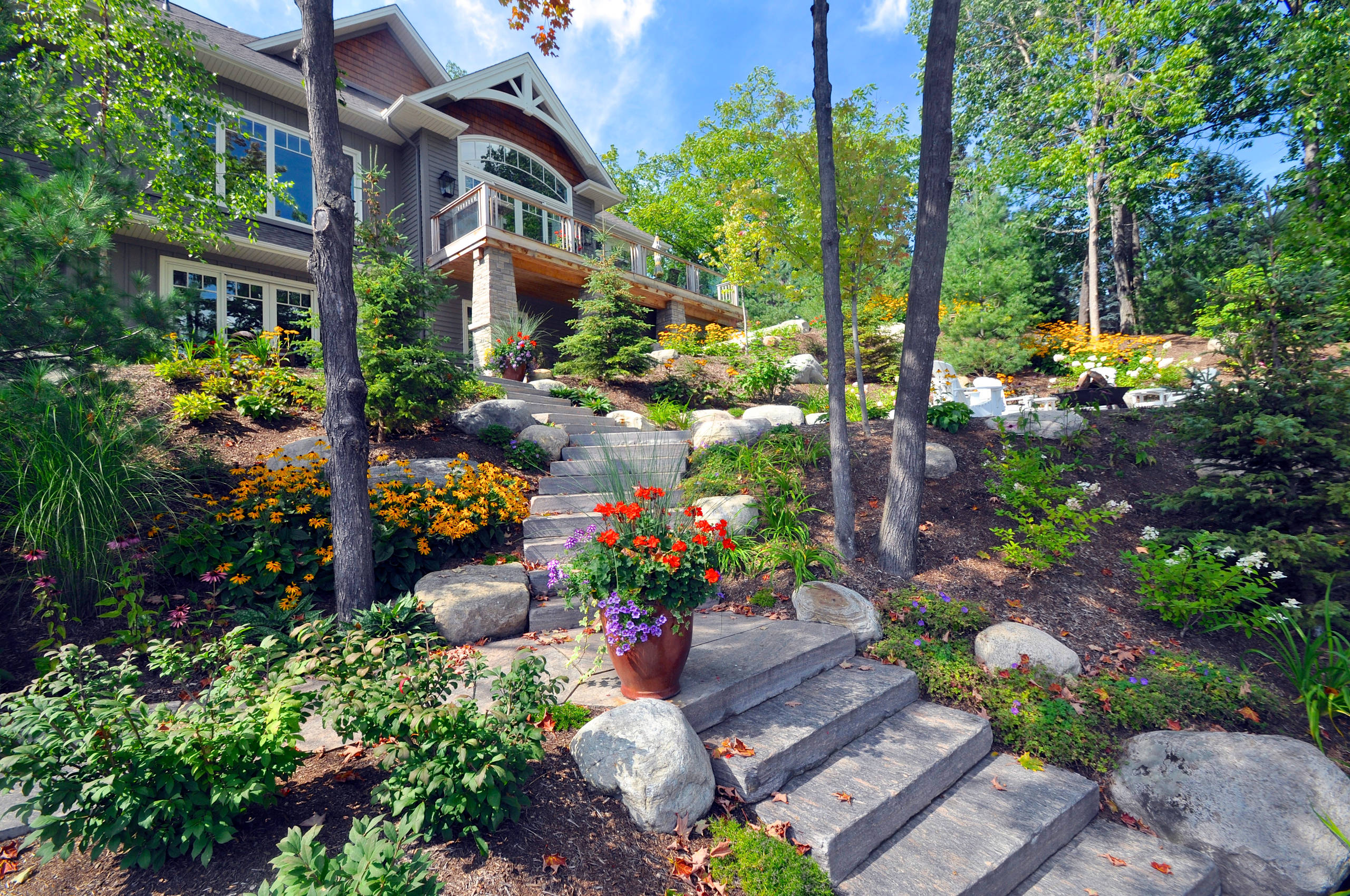
Build a Solid Base. Lasting low-maintenance landscapes rely on structure. Start by improving soil health: loosen compacted areas, top-dress with compost, and protect bare ground to prevent erosion. Good drainage reduces plant stress and weeds, so grade soil gently away from foundations and guide runoff into planting beds that can soak it up. Choose hardscaping where it counts—permeable gravel paths, stepping stones set in sand, or pavers with wide joints that let rain through. These surfaces are durable, simple to clean, and discourage weeds when paired with a compacted base and breathable fabric where appropriate. Define beds with stone, steel, or deep-cut edges so grass doesn't creep in. Replace narrow slivers of turf with widened beds or gravel to eliminate fussy trimming. In small spaces, raised planters with quality soil reduce bending and watering frequency. Use materials that weather gracefully and need little sealing or staining, keeping finishes consistent so every surface ages together with minimal fuss.
Choose Resilient Plants. The quickest path to low-maintenance beauty is selecting plants that thrive without coaxing. Favor native plants and climate-adapted choices that tolerate your soil, rainfall, and temperature swings. Look for drought-tolerant varieties, but pair them with realistic shade or sun conditions; even tough plants struggle if the site is wrong. Mass just a few species in generous drifts for visual calm and simpler care. Build an evergreen structure with shrubs and small trees that hold form year-round, then weave in long-blooming perennials and ornamental grasses for motion and texture. Choose disease-resistant and pest-resistant selections, and prioritize mature size so you're not constantly pruning giants into tiny boxes. Group by water needs—classic hydrozoning—so irrigation is efficient and easy to manage. If you love color, select repeat performers rather than fussy rarities; fewer divas means fewer chores. Finally, keep plant tags or a simple spreadsheet noting size, light, and moisture needs to guide any future swaps without guesswork.
Water the Smart Way. Thoughtful irrigation is essential for low-maintenance success. Install or retrofit drip irrigation or soaker hoses in planting beds to deliver moisture right to roots with minimal waste and fewer weeds. Pair zones by plant needs so shrubs, perennials, and containers receive what they require without overwatering. Use smart controllers or simple timers to automate schedules, and adjust seasonally based on rainfall and temperature. Practice deep, infrequent watering to encourage strong roots and reduce disease. Morning cycles minimize evaporation and keep foliage dry. Add shutoff valves and filters to make maintenance painless, and check lines for leaks when you refresh mulch. Consider rainwater harvesting via barrels, swales, or shallow basins that slow and sink runoff into the soil. Self-watering containers extend intervals between refills and keep annual displays thriving with less attention. Combined with mulch and good soil, efficient watering dramatically cuts labor while keeping plants resilient through dry spells.
Cover and Protect Soil. Think of mulch as your landscape's quiet helper. A consistent 2 to 3 inches of organic mulch—shredded bark, leaf mold, or composted wood—boosts moisture retention, moderates temperature, and delivers powerful weed suppression. Keep it pulled back from trunks and stems to prevent rot, and top up only when it thins; you're not aiming for a mountain, just a breathable blanket. In hot, dry areas, stone or gravel mulch can be effective, especially around succulents and other xeric plantings. For living protection, add living groundcovers that knit together and outcompete weeds, creating a lush, low profile that rarely needs mowing. On slopes, combine deep-rooted perennials, terraces, and mulch for erosion control that looks polished and stays put. Mulch also cushions foot traffic, softens noise, and visually unifies beds so the whole yard reads as intentional. Fewer weeds, fewer cracks, less watering—mulch quietly checks several chores off your list at once.
Rethink the Lawn. Lawns can be beautiful, but they're often the highest-maintenance feature. For a truly low-maintenance yard, scale turf to where you'll actually play, lounge, or host. Frame a modest lawn with broad planting beds and lawn alternatives like groundcovers, meadow-style plantings, or gravel courtyards. Where grass remains, simplify shapes, install crisp edging, and design generous turning radii so mowing is quick and clean. Choose region-appropriate, low-input grasses or blends that tolerate less watering and mowing less often. Replace narrow strips along driveways or fences with pavers, mulch, or planting to eliminate time-consuming trimming. Add mulch rings around trees to protect roots and prevent mower dings. If you prefer the look of a larger green sweep, consider alternating zones—one mowed frequently, others allowed to grow slightly taller for habitat and reduced effort. The goal isn't no lawn; it's the right-size lawn that delivers maximum enjoyment with minimal weekly upkeep.
Streamline Care Routines. Maintenance shrinks when routines are simple and repeatable. Keep a compact set of reliable tools—pruners, a sturdy rake, a hand weeder, a hose with quick-connects—in one easy-to-grab tote. Embrace batching tasks: prune all shrubs in a single session, refresh mulch in one pass, or weed after rain when roots pull easily. Focus on preventive care: spot-irrigate new transplants, deadhead heavy bloomers to extend color, and remove diseased foliage promptly. Prioritize integrated pest management—encourage beneficial insects, improve airflow, and water at the soil line to reduce problems before they start. Feed plants lightly with slow-release organics and let leaf litter decompose under shrubs to build soil with zero hauling. Use the right tool for the job to work quickly and safely. Set reminders for brief, regular check-ins rather than marathon weekends. The payoff is a landscape that looks polished year-round and gives you back precious free time without sacrificing beauty.