Low-Maintenance Landscaping for Effortless Curb Appeal
Create effortless curb appeal with drought-smart plants, simple hardscapes, and smart watering for a beautiful, low-care yard year-round.
Start with a Simple, Cohesive Plan
A low-maintenance landscape starts with a clear, simple plan. Favor broad, flowing beds over intricate shapes, and keep your plant palette restrained so the yard feels unified from the street. Repeat a few reliable elements, anchor the frontage with evergreen structure, and position a focal point near the entry for instant curb appeal. Design with right plant, right place in mind by matching sun, soil, and microclimate to each selection. Reduce irregular lawn slivers, use smooth curves, and keep edges mower friendly to shave off weekly effort. Build in layering—trees or tall shrubs in back, mid shrubs and perennials, and groundcovers in front—balanced with intentional negative space so the eye can rest. Plan utility access, pathways, and irrigation routes early so maintenance never becomes an obstacle. Improve drainage and soil health with compost before you plant, and choose durable edging to keep lines tidy. A thoughtful, cohesive plan prevents costly rework and turns upkeep into quick, predictable touch-ups.
Choose Resilient, Region-Ready Plants
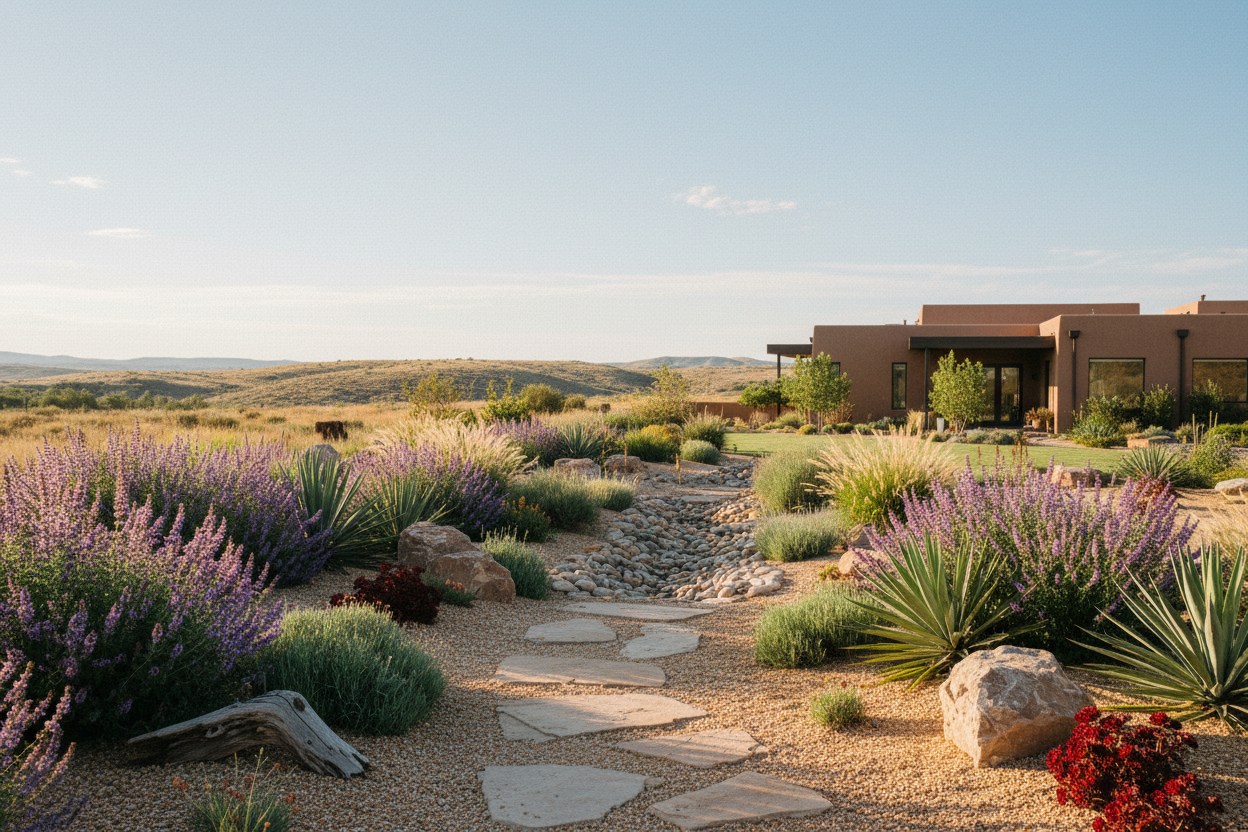
Plant selection is the heart of an effortless landscape. Start with native plants or well-adapted species that thrive in your climate with minimal input. Look for drought-tolerant perennials, sturdy evergreen shrubs, and ornamental grasses that hold form through multiple seasons. Choose disease-resistant varieties and avoid plants that demand frequent shearing or heavy fertilizing. Think in terms of mature size to skip constant pruning; right-size choices fill space without crowding. Mix textures—fine grasses with bold-leaved shrubs—and extend interest with staggered bloom times, seed heads, and winter silhouettes. If you love color, rely on long-blooming perennials and structural foliage rather than thirsty annuals. Prioritize plants that invite pollinators while staying compact and tidy near walkways. Group by water and light needs so each zone is easy to care for. When in doubt, favor plants known for drought tolerance, low water needs, and steady performance, then plant in generous drifts for a designer look with minimal fuss.
Harness Hardscaping for Structure and Ease
Strategic hardscaping lowers upkeep while adding polish. Use permeable surfaces like gravel, permeable pavers, or decomposed granite for driveways, paths, and side yards to reduce runoff and muddy spots. Define beds with durable steel, stone, or concrete edging so mulch and gravel stay put, creating crisp lines that age well. Wide, gently curving walkways guide guests and allow wheelbarrow access, making maintenance straightforward. Consider raised planters or seat walls to add structure and comfortable working heights. A modest patio or stepping-stone grid can replace high-care turf, while a dry creek bed manages drainage and doubles as a sculptural feature. Choose materials that echo your home's finishes for visual continuity and long-term curb appeal. Limit tiny fragments and fussy inlays; simpler patterns are faster to clean and repair. With solid bases and compacted substrates, your paths and patios will resist weeds and settling, leaving you with a clean, dependable framework that spotlights plantings without demanding constant attention.
Mulch, Groundcovers, and Weed Control
A smart mulch strategy is a cornerstone of low effort. Apply a consistent layer of shredded bark, wood chips, or composted mulch to conserve moisture, regulate soil temperature, and suppress weeds. Refresh the surface as it thins, focusing on high-visibility areas first. Where mulch might slide on slopes, plant living groundcovers to knit soil together and serve as a living mulch that shades out weeds. Choose vigorous, noninvasive varieties that tolerate your sun and water patterns. In rock or gravel areas, use a breathable weed barrier sparingly and only where long-term access is limited. Densely space plants to reduce bare soil, and edge beds so debris stays contained after rain or wind. Hand-pull intruders early while roots are shallow, and consider a natural pre-emergent where appropriate to prevent new seedlings. Over time, deep roots, healthy soil, and canopy coverage create a self-sustaining layer that outcompetes weeds, reduces watering, and keeps your garden looking intentionally finished with very little effort.
Water Wisely with Smart Irrigation
Efficient watering transforms maintenance: design by hydrozones so plants with similar needs share a line. Use drip irrigation or soaker hoses to deliver moisture directly to roots, minimizing evaporation and leaf disease. Pair slow, deep watering with mulch to hold moisture and reduce frequency. Include pressure regulation and simple filters to keep emitters flowing, and organize valves or timers so seasonal adjustments are effortless. A rain sensor or weather-based controller can shut systems off during cool, wet periods, while manual shutoff points keep troubleshooting simple. Capture roof runoff with swales, rain gardens, or a dry creek bed to recharge soil and irrigate passively. Grade away from foundations but toward planted beds where possible. Water in the early morning, and check coverage quarterly to fix clogs or leaks before plants stress. By designing for water efficiency from the start, you protect your investment, lower utility costs, and cultivate healthier, deeper-rooted plantings that practically care for themselves.
Minimal Care, Maximum Payoff
Keep upkeep predictable with a light, regular routine. Schedule quick walk-throughs to spot issues early—wilting, pests, or irrigation hiccups—so fixes stay small. Practice preventive care: top-dress with compost to feed soil life, replenish mulch, and sharpen tools for clean cuts. Focus pruning on dead, damaged, or crossing branches, and let natural plant forms shine instead of forcing rigid shapes. Deadhead only where it extends bloom; otherwise, enjoy seed heads for texture and wildlife value. Mow remaining turf high to shade soil, or transition to low-care alternatives in narrow or awkward strips. Use spot weeding over broad treatments, saving time and preserving beneficial insects. Keep a simple checklist by season—check irrigation, edge beds, fluff mulch, trim back spent stems—and batch tasks into short sessions. With strong structure, resilient plants, and water-wise systems, your landscape retains fresh curb appeal year-round, delivering beauty with a fraction of the labor.