Move with Intention: Gentle Fitness You Will Actually Enjoy
Find a calmer, kinder way to move. Build strength and ease with mindful, low-impact routines that fit your life and leave you energized, not drained.
Start Slow, Stay Curious
Gentle fitness begins with intention. Instead of chasing numbers or perfection, you choose to notice how your body feels and move accordingly. Start by greeting your day with a soft check in: scan your neck, shoulders, spine, hips, and ankles, and let curiosity guide what needs attention. A few slow shoulder rolls, a mindful hip circle, or a quiet stretch can transform your energy. This approach builds consistency because it feels kind, not punishing. When movement is a conversation instead of a command, you hear your body's yes and no more clearly. Keep the barrier low: a mat visible in your living space, comfortable clothes within reach, and a short playlist that nudges you toward action. Progress lives in the ordinary moments, like stretching while the kettle warms or taking an extra lap when you fetch the mail. Gentle does not mean passive; it means purposeful, present, and easy to repeat tomorrow.
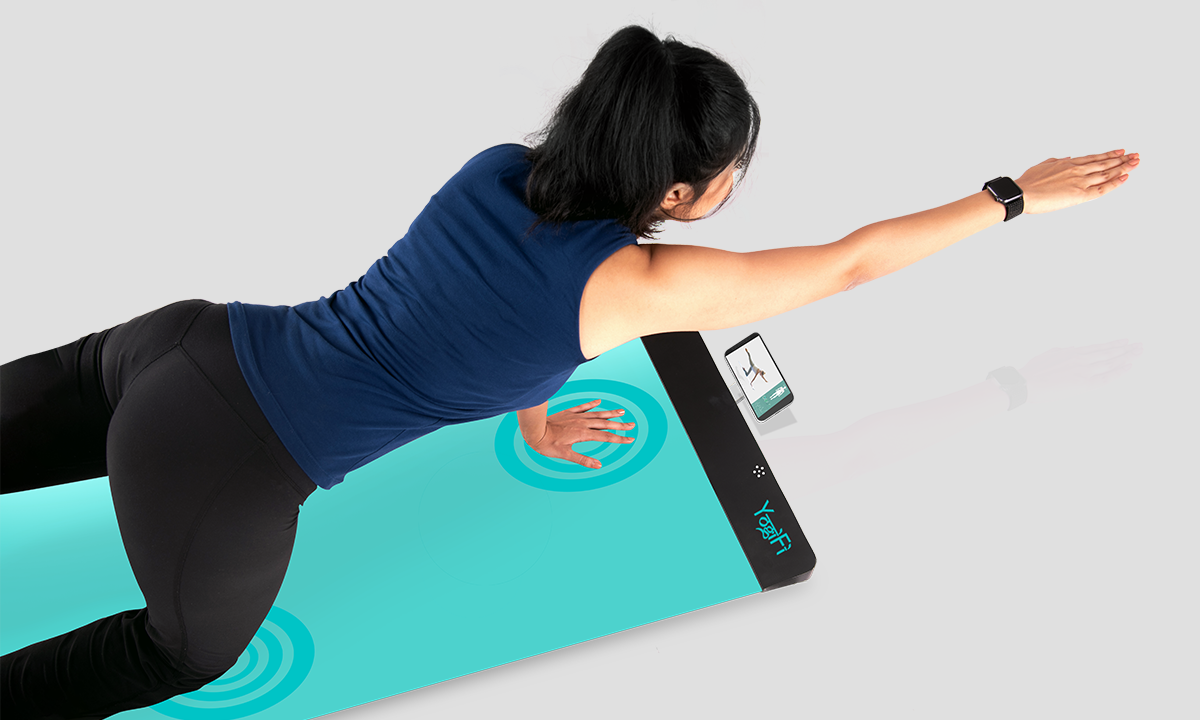
Breath as Your Built-In Coach
Your breath is the most supportive coach you will ever meet. Let it set the cadence for a walk, a mobility flow, or a light strength session. Try inhaling through the nose and lengthening the exhale; this naturally eases tension and helps you move with control. Match each inhale to an expansion, like opening the chest, and each exhale to a contraction, like drawing the belly in during a slow squat. Use the simple talk test: if you can speak in full sentences, you are in a gentle zone that invites sustainable effort. When energy dips, pause for a few breaths with one hand on the belly and one on the ribs, feeling the body expand sideways and back. Breath turns movement into mindfulness, reminding you to soften your jaw, drop your shoulders, and ground your feet. Over time, breathing with awareness builds steadier pacing, smoother transitions, and a calm focus you can carry into the rest of your day.
Design a Routine You Will Look Forward To
If you want movement to last, make it appealing and easy to start. Design your environment for success: place a rolled mat where you can see it, keep a resistance band by the desk, and set out comfy shoes the night before. Lean on habit stacking by pairing movement with daily anchors, like stretching after brushing your teeth or taking a gentle walk after lunch. Favor micro sessions that fit into real life: a short mobility circuit between meetings, a few balance drills while dinner simmers, or a relaxing floor sequence before bed. Reduce friction by deciding what, when, and where in advance, then keep a friendly plan B for low energy days. Rotation keeps it fresh: alternate walking, light strength, mobility, and playful balance work. Finally, craft a ritual that signals go time, like two deep breaths or a favorite song. When the routine feels kind and familiar, showing up becomes effortless.
Gentle Does Not Mean Ineffective
Gentle movement can be profoundly effective because it builds from the inside out. Think of it as training qualities that support everything else: mobility, stability, balance, and endurance. Slow, controlled repetitions with light resistance develop coordination and joint friendliness. Extend the eccentric phase, pause briefly at the bottom, and move through your full range of motion to turn light work into rich stimulus. Try a simple circuit: a supported squat, a wall push, a hip hinge with a towel, and a single leg balance, all performed slowly with smooth breathing. Walking intervals at a relaxed pace condition the heart without strain, while gentle isometrics and tempo training teach muscles to engage evenly. Progress can be subtle yet powerful: add a few seconds to a hold, polish your alignment, or take one more breath in a stretch. Over time, these small, repeatable upgrades compound into noticeable strength and confidence.
Make Movement Social and Sensory
Enjoyment grows when movement engages your senses and your community. Bring in sound with music that matches your mood or rhythm. Let light and fresh air change the feel of your walk or at home flow. Notice textures underfoot, the sway of your arms, the gentle swing of your hips. If it helps, invite a friend, a partner, or a neighbor for an easy loop around the block or a living room stretch. Keep it conversational and playful with gentle challenges like balancing on a line on the floor, practicing a slow tandem walk, or exploring dance like sways and step taps. Pets and kids turn activity into spontaneous games that keep you present and smiling. Rotate locations to refresh your curiosity, even if that is simply moving from the desk to the floor. When movement feels like a sensory treat and a social touchpoint, you will seek it out not as a chore, but as a daily pleasure.
Track Progress the Gentle Way
Measure what matters to your wellbeing, not just your workload. Keep a simple log that notes mood, energy, sleep quality, and what felt good in your body. Celebrate non scale victories like easier stairs, looser shoulders, steadier balance, or deeper breaths. Let consistency be your north star and set a minimum viable session for busy days, such as five minutes of mobility or a short walk. Create if then plans so a setback does not break momentum: if it rains, do a calming stretch indoors; if you are tired, choose a breath led flow. Review each week to spot patterns and tweak your plan, adding variety where you need novelty and repetition where you crave stability. Most importantly, practice self compassion. Rest when you need it, return when you are ready, and remember that small, kind choices add up. Progress, in gentle fitness, is feeling more at home in your own body.