Natural Cleaning Hacks for a Healthier Home
Transform your space with simple, non-toxic cleaning hacks using pantry staples like vinegar, baking soda, and lemon for a fresher, healthier home.
Clean Living
Choosing natural cleaning methods is a simple way to elevate indoor air quality while keeping your home sparkling. By swapping harsh synthetics for non-toxic, biodegradable ingredients, you reduce residue on surfaces and minimize irritants in the air your family and pets breathe. Pantry staples like vinegar, baking soda, and castile soap can tackle grime, soap scum, and odors with surprising efficiency, and they're often more budget-friendly than specialty products. Natural cleaning also pairs well with durable tools, such as microfiber cloths and soft-bristle brushes, that lift dirt mechanically so you can use less product overall. As you build a routine, start small: replace a glass cleaner with a vinegar spray, or try baking soda as a gentle scrub for sinks. Always spot-test on inconspicuous areas and keep solutions clearly labeled. Avoid mixing products that don't play well together; for example, never combine vinegar with bleach or ammonia. Thoughtful swaps add up to a safer, calmer, and more eco-conscious home.
Pantry Degreasers
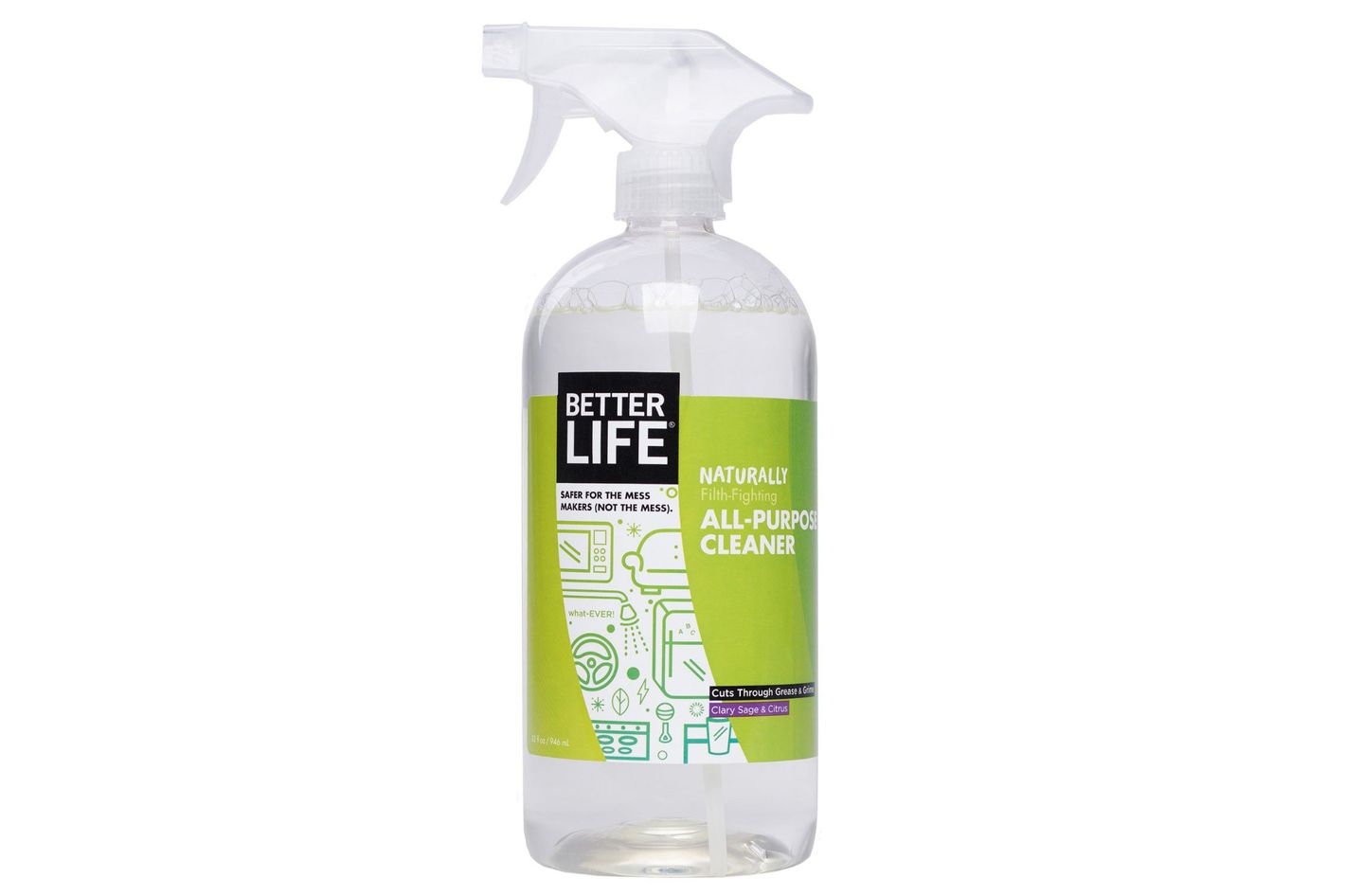
For cooked-on splatters and kitchen film, reach for vinegar, citrus, and castile soap. A simple degreaser starts with a 1:1 mix of distilled vinegar and warm water in a spray bottle; spritz on cabinets, range hoods, and backsplashes, then wipe with a microfiber cloth. For extra cutting power and a fresher scent, infuse vinegar with citrus peels—orange, lemon, or grapefruit—by submerging peels in vinegar for a couple of weeks, then straining. Stubborn stove grates respond well to a baking soda paste (about three parts baking soda to one part water); spread, wait ten minutes, and scrub. Sticky labels on jars release with a dab of cooking oil followed by a soapy rinse using a few drops of castile soap. On stainless steel, wipe with a barely damp microfiber cloth and a drop of soap, then buff dry to reduce streaks. Avoid acidic cleaners like vinegar on natural stone (granite, marble, travertine); stick to pH-neutral soap and water for those surfaces.
Bathroom Brilliance
Soap scum, water spots, and mildew shadows rarely stand a chance against vinegar, baking soda, and hydrogen peroxide. For glass doors and tiles, warm a 1:1 vinegar-water solution, spritz generously, and let it sit before wiping with microfiber. On heavy buildup, sprinkle baking soda on a damp sponge and gently polish; the fine grit helps lift residue without harsh scratching. Grout refreshes with a paste of two parts baking soda to one part hydrogen peroxide—apply, wait five to ten minutes, then scrub with a small brush and rinse thoroughly. Keep ventilation strong to discourage future moisture problems. Descale showerheads by soaking them in a bag of vinegar secured with a rubber band; remove, rinse, and polish. Toilets brighten with a cup of baking soda followed by vinegar; let the fizz work for several minutes, brush, and flush. As always, never mix vinegar with bleach or bleach-based tabs. If adding essential oils like tea tree or eucalyptus for scent, use sparingly and store away from kids and pets.
Floors & Glass
Different floors benefit from tailored, gentle recipes. For sealed hardwood, add a teaspoon of castile soap to a gallon of warm water, wring your mop well, and dry promptly to avoid warping; skip vinegar here if you're unsure about the finish. Tile and vinyl tolerate a splash of vinegar in warm water for everyday grime, while natural stone demands pH-neutral soap only. For rugs, sprinkle baking soda lightly, wait fifteen minutes, and vacuum to lift odors. When glass and mirrors streak, try a solution of vinegar, water, and a teaspoon of cornstarch; the starch helps polish without haze. Wipe in overlapping passes with a flat-weave microfiber cloth, flipping sides as they dampen. For fingerprints on stainless, mist with diluted castile soap, wipe with the grain, and buff dry. Door tracks and window sills clean up with a paste of baking soda and a few drops of water; agitate with a narrow brush, then rinse. Always spot-test finishes and use minimal liquid on moisture-sensitive materials.
Laundry Boosters
A few natural additions can make laundry smell fresher and look brighter without heavy fragrance. Add half a cup of baking soda to the wash to balance pH and help lift odors, especially from athletic wear. In the rinse cycle, white vinegar acts as a gentle fabric softener, reduces detergent residue, and helps keep towels fluffy; it won't leave a vinegar scent once dry. For stains on light fabrics, a solution of hydrogen peroxide and water pre-treats food and sweat marks; for colorfast items, test first. Washing soda boosts cleaning for heavily soiled loads, while wool dryer balls reduce drying time and static; if you use essential oils, add a drop or two to the balls, letting them dry before tossing in. Sun-drying can naturally brighten whites and freshen linens. Keep loads moderate so fabrics can move freely, choose cooler water when appropriate to preserve fibers, and clean your washing machine seal and filter routinely to prevent lingering odors.
Fresher Air
Cleaner surfaces feel even better with fresh, neutral air. Instead of masking smells, focus on odor absorption and ventilation. Open windows when weather allows, use a range hood when cooking, and run bathroom fans to remove humid air. Place open containers of baking soda in the fridge and closets, replacing as needed. Activated charcoal sachets are excellent for musty drawers, gym bags, and shoe cabinets. Simmer a small pot of water with citrus peels, cloves, or rosemary to scent the kitchen gently without synthetic perfumes. For soft furnishings, a DIY fabric refresher of distilled water and a teaspoon of vodka or witch hazel in a fine mist bottle helps neutralize odors; always spot-test. If you enjoy essential oils, keep usage light, avoid direct contact with finishes, and research pet sensitivities. Regularly wash throw pillow covers, air out rugs, and beat doormats outdoors. A consistent, low-toxin routine keeps indoor spaces welcoming, breathable, and truly homey.
Tools & Safety
Great results come from the right tools and safe habits. Stock a set of color-coded microfiber cloths to prevent cross-contamination—one color for bathrooms, another for kitchens, and a separate set for glass. A HEPA-filter vacuum helps capture fine dust, dander, and pollen before they resettle on surfaces. Choose durable scrub brushes, a flexible grout brush, and reusable mop pads to reduce waste. Mix small batches of DIY cleaners in labeled, reusable bottles, noting the recipe and date; store away from heat and sunlight. Keep ingredients like vinegar, baking soda, castile soap, and hydrogen peroxide in original containers and out of reach of children and pets. Never mix acids with bleach or ammonia, and avoid using vinegar on natural stone. Wear gloves if you have sensitive skin and ensure good ventilation while cleaning. Dispose of rags used with oily products carefully and launder cloths promptly. With mindful tools and safe practices, your home stays healthier, tidier, and easier to maintain.