Pet-Friendly Houseplants That Purify the Air
Choose pet-safe houseplants that naturally cleanse indoor air. Explore non-toxic picks, simple care tips, and placement tips for homes with cats or dogs.
Why Pet-Friendly Plants Matter
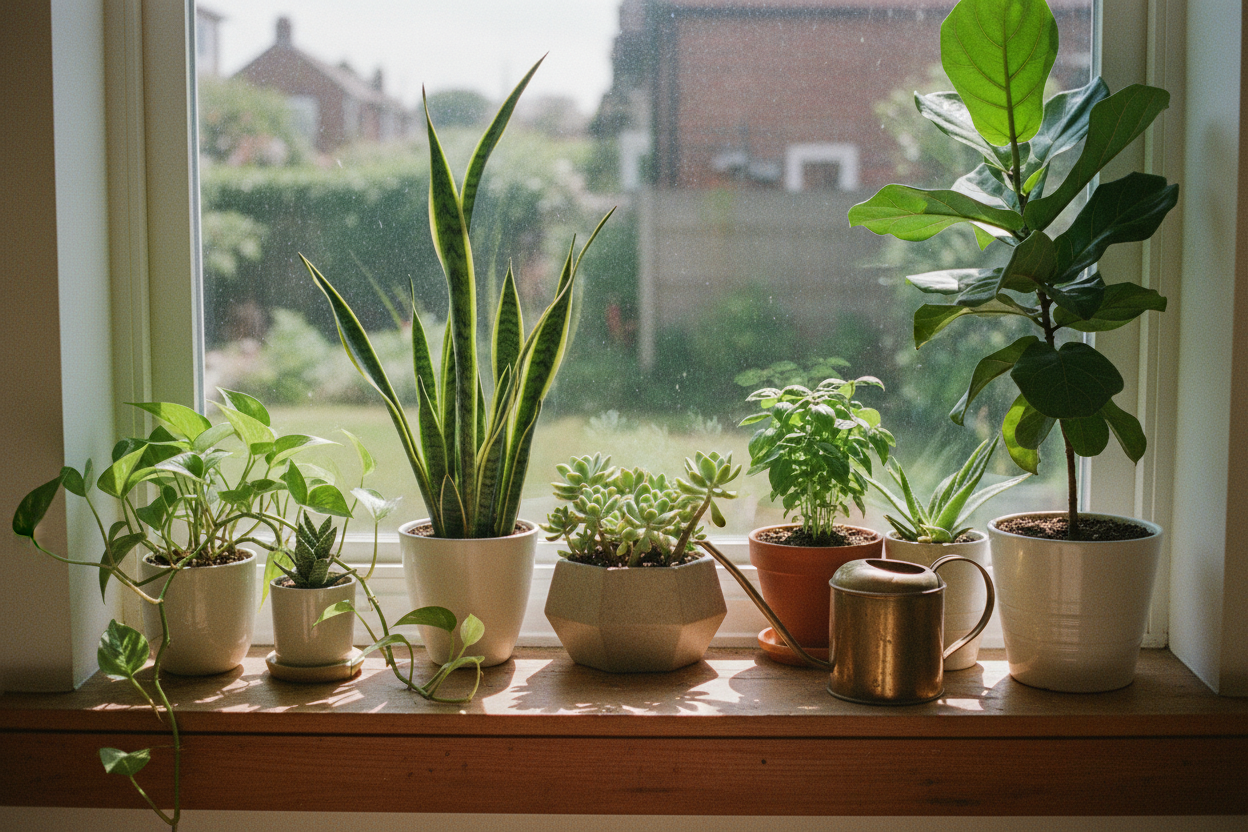
Bringing greenery indoors can do more than brighten a shelf; thoughtfully chosen, pet-friendly houseplants can support gentle air purification while keeping curious companions safe. Through photosynthesis and natural leaf and root processes, plants can help temper stale indoor air, soften odors, and contribute to a calmer, more restorative environment. Equally important is peace of mind: non-toxic selections mean a nosy cat or playful dog is less likely to get into trouble if they nibble a leaf. While no plant replaces good ventilation and regular cleaning, the right mix can complement your home routine beautifully. Start by choosing species known for safety and resilience, then pair them with the light conditions you actually have. Many favorites, such as the Spider Plant, Parlor Palm, Boston Fern, Calathea, Prayer Plant, and Peperomia, combine attractive foliage with manageable care. Prioritize containers with drainage, a high-quality potting mix, and stable placement away from heavy traffic. With a little planning, you can craft a home and garden corner that nurtures air, aesthetics, and animal companions alike.
Low-Light, Low-Stress Stars
If your space leans shady, you still have excellent pet-safe choices that can lend a cleaner, cozier feel. The adaptable Spider Plant thrives in bright, indirect light but tolerates lower levels, pushing out arching leaves and baby offsets that are easy to propagate. Its sturdy growth and forgiving nature make it a first-choice plant for busy homes, and its leaves can help trap dust while the potting zone supports subtle air purification. The graceful Parlor Palm brings a tropical look to dim corners, offering feathery fronds that enjoy evenly moist soil and gentle airflow. For extra durability, the Cast Iron Plant is famously tough, handling neglect, temperature swings, and imperfect light without drama. Keep watering moderate across all three: allow the top inch of soil to dry before you drench again, use pots with drainage, and empty saucers so roots do not sit soggy. Rotate plants regularly to encourage balanced foliage and to keep leaf surfaces clean for better light capture and fresher indoor vibes.
Humidity Heroes: Ferns You Can Trust
Many ferns pair pet safety with lush air-refreshing presence, especially where the air holds a touch of humidity. The classic Boston Fern loves bright, filtered light and consistently damp—but never waterlogged—soil, rewarding you with clouds of arching fronds that soften shelves and hanging baskets. The sculptural Bird's Nest Fern tolerates slightly drier conditions than its cousins, forming tidy rosettes that look modern on credenzas and bathroom ledges. Delicate Maidenhair Fern brings fine texture and drama but appreciates a steady routine: gentle misting, bottom watering, and protection from blasting vents. To keep fronds full and fresh, dust them lightly with a soft brush, trim crispy tips, and place the pot on a pebble tray to boost local humidity. Grouping ferns with other moisture-loving, pet-friendly plants further stabilizes the microclimate. Remember, ferns favor indirect light; direct sun can scorch their fronds and dry them out quickly. With consistent care, these green fountains can elevate comfort, contribute to a calmer atmosphere, and charm without compromising your companions' well-being.
Patterned, Playful, and Safe Foliage
If your style leans bold, reach for patterned beauties that remain non-toxic to pets while supporting a fresher-feeling room. The striking Calathea family dazzles with painterly stripes and purple undersides, while the Prayer Plant gently folds leaves at night, adding a bit of daily theater. Pair them with the dependable Peperomia—including the glossy Baby Rubber Plant—for compact growth, tactile leaves, and easy shape control. Fittonia (nerve plant) adds vivid vein patterns that pop in terrariums or as a tabletop accent. These plants like bright, indirect light, consistent moisture, and good airflow; aim for a lightly moist, airy potting mix rich in organic matter and perlite. Calatheas prefer softer water and appreciate humidity, which helps prevent leaf edges from browning. Feed lightly during active growth to maintain vibrant color without stressing roots. Keep leaves dust-free so they can work efficiently, and rotate pots to encourage symmetrical patterns. Together, this lively mix lifts interiors, complements a modern home and garden palette, and keeps curious snouts safe.
Small-Space and Hanging Options
Even the coziest apartment can host a pet-friendly plant gallery that freshens the air and saves surface space. Try Tillandsia (air plants) tucked into wall holders or perched on shelves; they absorb moisture through their leaves and need bright, indirect light with regular soaking and thorough drying. Elegant Orchids in bark mix bring long-lasting blooms to window ledges without posing a hazard to cats and dogs, and occasional flushing keeps their roots happy. For trailing texture, consider String of Turtles (a Peperomia) or cascading Spider Plant offsets in hanging planters that sway out of paw reach. Prioritize secure hooks and sturdy macramé, and leave safe clearance from blinds and doors. Avoid crowding plants directly above food bowls or litter areas to discourage exploring. A light, consistent mist and a small fan on low can improve airflow around densely grouped displays. With thoughtful placement and a routine watering schedule, vertical gardens create an airy, uplifting effect without sacrificing floor space or pet safety.
Maintenance Habits for Cleaner, Happier Homes
Sustaining gentle air purification depends on steady, simple habits. Wipe leaves with a damp, lint-free cloth every few weeks to remove dust that blocks light and clogs pores. Water thoroughly, then allow excess to drain; consistency keeps roots strong and reduces fungus gnat pressure. Refresh the top layer of soil seasonally, and repot when roots circle the pot, stepping up just one size to avoid soggy media. For pests, start with insecticidal soap, sticky traps, and manual removal; quarantine new arrivals before they join your plant family. Boost humidity with pebble trays, groupings, or a small humidifier positioned safely away from cords and curious paws. Use sturdy planters, add river stones to stabilize tall pots, and consider decorative toppers to discourage digging. Offer a pot of cat grass as a nibble-friendly decoy. Above all, pair plants with regular cleaning and fresh airflow throughout the home. With this balanced approach, your home and garden will feel greener, calmer, and thoughtfully safe for every family member—furry ones included.