Plant Care 101: Greening Your Space with Confidence
New to houseplants? Learn light, water, soil, and easy routines to grow thriving greenery and style your space with confidence.
Start With Smart Selection
Choosing plants that fit your life and home is half the battle, so start by taking a mindful inventory. Stand in each room and assess your space: note windows, light levels, airflow, and where you naturally spend time. If you travel or prefer low-fuss care, pick beginner-friendly options like snake plant, pothos, or ZZ plant that forgive the occasional miss. For sunny sills, compact herbs or succulents can thrive; for shadier corners, consider philodendrons or peperomias that enjoy bright indirect light. Match your time commitment to plant needs, and check whether varieties are pet-safe if you share your home with furry friends. Visualize growth: trailing species suit shelves; upright forms anchor empty corners; small clusters create cozy vignettes. Favor sturdy, affordable starters so you can learn with confidence. Lastly, plan for proper drainage from day one—your pot and soil choices will set the tone for healthier, happier greenery that complements your lifestyle instead of competing with it.
Master Light And Water
Healthy houseplants are all about balance between light and water. Observe how sun moves across your rooms, then place plants where they receive the type of light they prefer—bright but gentle for many tropicals, direct rays for sun-lovers, and softer exposure for shade-tolerant species. Resist watering on a calendar; let cues guide you. Test moisture by feeling the soil, lifting the pot to sense weight, or using a wooden stick that darkens when damp. Aim for a thorough soak until excess drains, then allow the mix to breathe. Avoid overwatering, a common cause of root issues, by ensuring pots have holes and soil dries appropriately between drinks. In very bright locations, plants may use water faster; in lower light, they sip slowly. Consider bottom watering for thick-leaved plants, and rotate containers weekly to encourage even growth and prevent leaning. Remember, consistent routines and observation beat strict rules—your plants will communicate what they need.
Soil, Pots, And Drainage
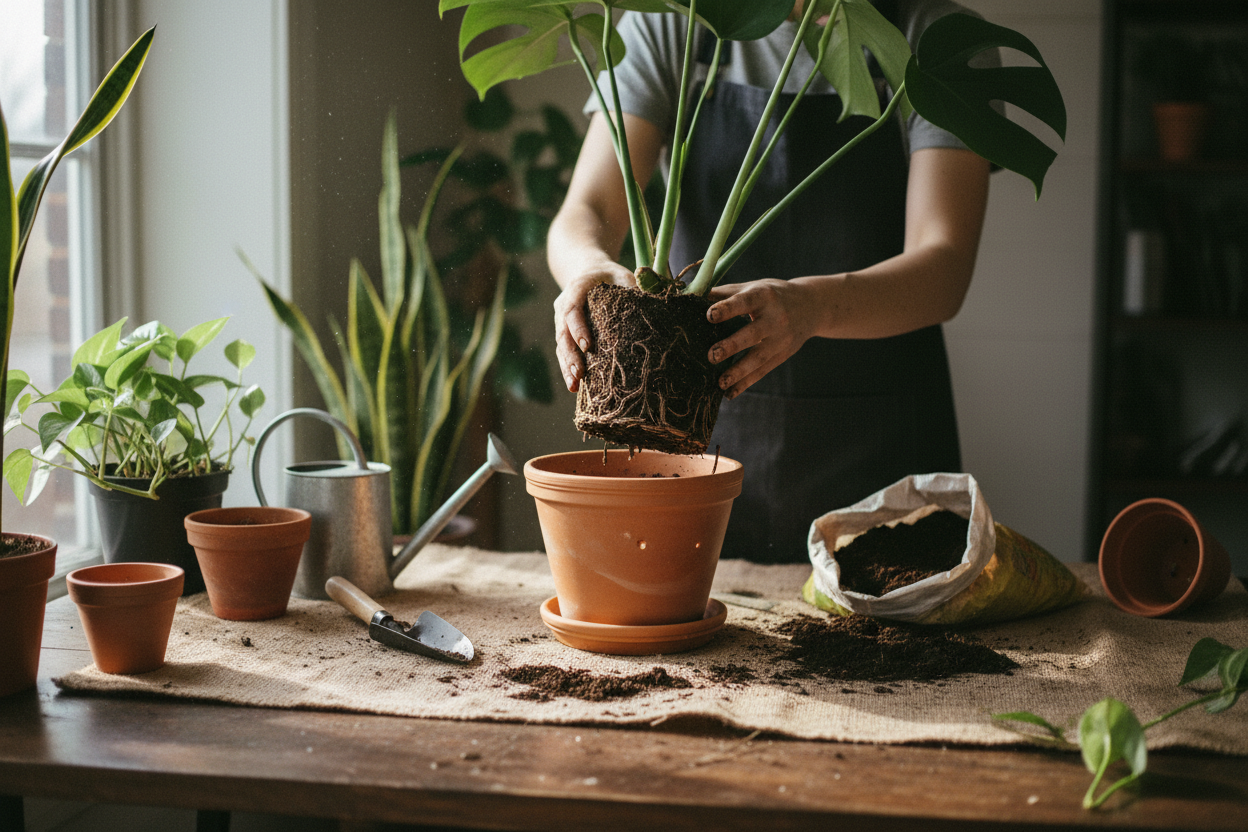
Great plant care begins below the surface with a well-draining mix tailored to your plant's roots. For tropical aroids, blend coco coir or peat with bark and perlite to boost aeration; for succulents and cacti, choose a gritty, mineral-rich medium that dries quickly. Always use containers with drainage holes and collect excess in a saucer or decorative cachepot—don't trap water around roots. Terracotta breathes and speeds drying, ideal for damp-prone mixes; plastic retains moisture a bit longer. Skip the myth of rocks at the bottom, which can hinder drainage rather than help. Learn your plant's repotting cues: slowed growth, cramped roots circling the pot, or water running straight through. When upgrading, move just one or two sizes up to maintain healthy moisture balance. If you favor low-effort care, try wicking or self-watering options paired with airy soil to reduce risk of soggy roots. Thoughtful pairing of pot and substrate sets a reliable foundation for confident, everyday care.
Feed, Prune, And Shape
Once plants are settled, support growth with gentle nutrition and intentional grooming. During periods of active growth, apply a balanced, diluted fertilizer at conservative intervals to avoid buildup, and occasionally flush the soil to rinse salts. Keep tools clean—sanitation prevents disease spread—then prune to remove yellowing leaves, thin crowded stems, and guide shape. Pinch soft tips to encourage branching, or train vines along a trellis for a lush, vertical accent. Dust dulls photosynthesis, so wipe leaves with a damp cloth; avoid heavy polishes that can clog pores. Stake tall plants to support new shoots and reduce breakage. If a plant becomes leggy, respond to its message: increase light, prune back, and let it rebound. Save healthy cuttings for propagation, turning maintenance into abundance you can gift or style elsewhere. Light feeding, timely trims, and a calm, consistent hand transform scattered greenery into a cohesive, sculpted element of your home.
Humidity, Temperature, And Wellness
Creating a stable microclimate keeps plants resilient. Many tropicals appreciate elevated humidity, which you can nudge upward by grouping plants, setting containers on pebble trays with water below the pot base, or choosing rooms that naturally hold moisture. Balance humidity with airflow to discourage fungal issues, and keep leaves dry overnight. Aim for stable temperatures—avoid cold drafts, hot radiators, or sudden shifts near exterior doors. When you bring a new plant home, practice acclimation: place it in similar light, reduce stress, and wait before repotting. Monitor wellness signals: crisp edges may mean underwatering or low humidity; yellowing can hint at excess moisture; droop could reflect either, so check the soil. Inspect routinely for pests like spider mites, mealybugs, and scale. Early pest monitoring and quick action—gentle washing, targeted wipes, and improved conditions—prevent bigger setbacks. Quarantine newcomers before they join the collection, and remember that steady environments promote steady growth.
Design, Routine, And Confidence
Plant care thrives when it fits your lifestyle. Build a simple routine you can enjoy: a weekly check-in, morning coffee rounds for quick inspections, and a monthly review for deeper maintenance. Use habit stacking with existing rituals, plus visual cues like a watering can by the sink or a notebook near your favorite chair. Map light zones and design with intention—layer heights, mix leaf textures, and repeat colors for cohesion. Create safe, accessible displays on stable shelves or stands, and keep pet-safe choices within reach. Plan for busy stretches with self-watering inserts, capillary mats, or a friend's help. Track observations in a lightweight journal so patterns emerge over time. Celebrate small wins, and learn through propagation to multiply confidence along with plants. Start modestly, edit thoughtfully, and let your collection evolve with you. When care is woven into daily life, greenery becomes a calming partner—both beautiful and sustainable—rather than another task on the list.