Small-Space Garden Ideas That Maximize Every Inch
Turn balconies, patios, and tiny yards into lush retreats with vertical planters, smart containers, and layouts that make every inch work harder.
Vertical Gardening: Elevate Space
Turn walls, railings, and ceilings into a living canvas with vertical gardening. Start by mapping sun and shade so your trellises, wall grids, and pocket planters land where plants will thrive. Use sturdy, weather-safe materials such as cedar, powder-coated metal, or recycled plastic to support vines, herbs, and compact fruiting crops. Stagger heights to create depth: mount narrow shelves for small pots, hang baskets at eye level, and anchor a tall obelisk to draw the eye upward. Mix forms for a lush look—upright growers like rosemary, trailing favorites like ivy or strawberries, and medium mounds like basil deliver layered texture. Keep weight in mind; choose lightweight substrates and add a slim drip irrigation line to reduce trips with a watering can. Mirrors or lattice can widen sightlines without taking floor space. Build in maintenance paths and finger room so pruning, feeding, and harvesting stay easy. The result is a thriving green wall that multiplies growing area without crowding your footprint.
Container Compositions: Design with Purpose
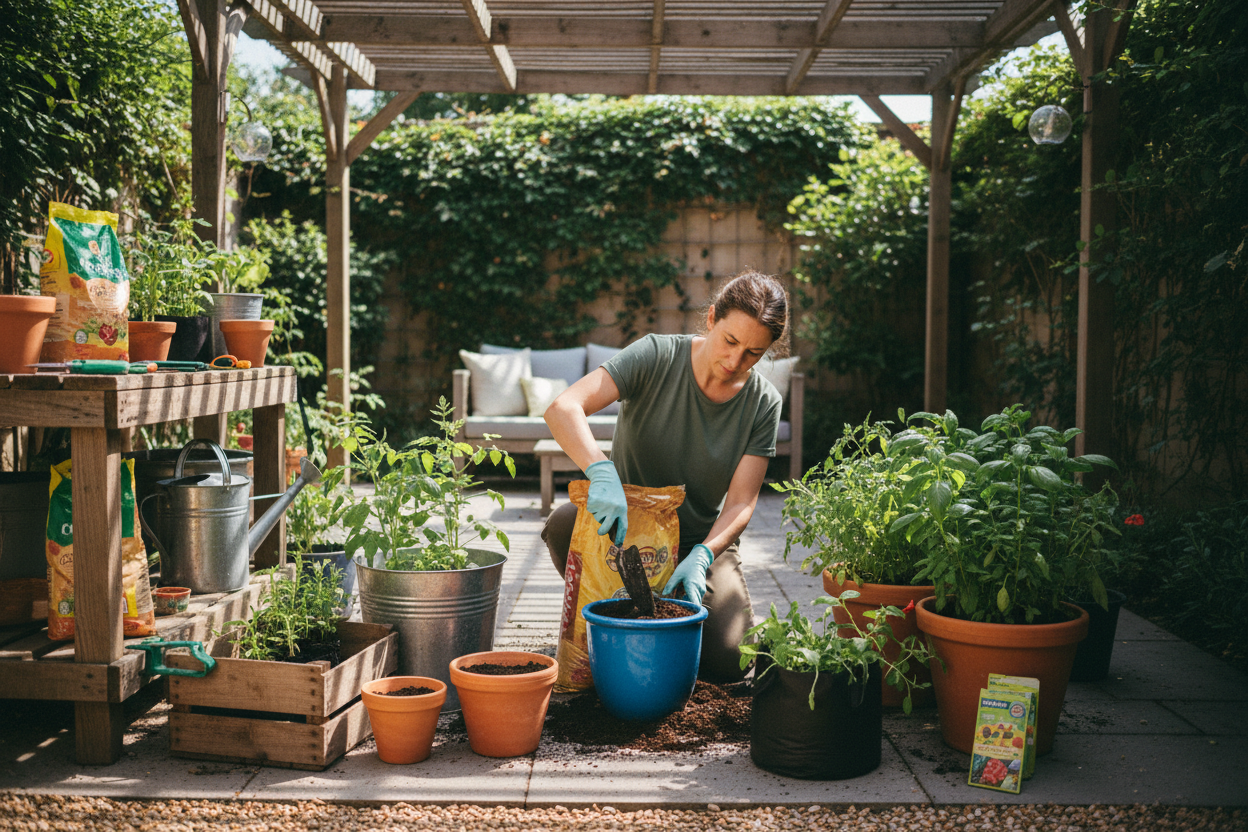
Smart container gardening turns tiny balconies and patios into productive retreats. Plan groupings with intent: cluster pots in odd numbers, vary heights, and repeat a few shapes or colors for cohesion. Use the thriller, filler, spiller formula to layer impact—an architectural centerpiece, feathery or leafy mid-tones, and graceful cascades that soften edges. Opt for lightweight planters on casters so heavy tubs glide for cleaning or chasing sun. Self-watering inserts and wicking baskets extend moisture without constant monitoring, while breathable liners protect surfaces. Combine edibles and ornamentals to earn every inch: cherry tomatoes with marigolds, peppers with basil, or dwarf citrus flanked by scented alyssum invite pollinators and harvests. Tuck compact tools, twine, and gloves into a nearby caddy to keep workflow smooth. Label varieties and note light preferences to reduce guesswork. By composing containers like a mobile gallery, you can re-stage the garden through the season, keeping sightlines open and the space feeling fresh and intentional.
Smart Soil and Water: Efficiency First
In tight quarters, soil health and hydration make or break success. Build a light, living mix with coco coir for moisture retention, compost for nutrients, and perlite or pumice for airflow. Top with fine mulch to slow evaporation and tidy surfaces. Where possible, add wicking reservoirs or capillary mats that sip from below, preventing splash and conserving water. Group plants by thirst and sun exposure so your routine stays simple and precise. A moisture meter or the classic finger test helps prevent overwatering, a common small-space pitfall. Feed gently with slow-release organics or diluted liquid nutrition to avoid salt buildup. Flush containers occasionally to reset the root zone, and rotate pots for even growth. Promote airflow with spacing and a small fan in enclosed patios, reducing mildew pressure. Catch runoff in saucers with risers to protect decking, and reuse safe excess on thirsty ornamentals. These habits create a resilient, low-maintenance micro garden that thrives despite limited volume.
Multi-Functional Features: Furniture That Grows
When square footage is scarce, choose multi-functional pieces that host plants and people. Benches with built-in planters frame seating nooks and provide herb access at arm's reach. Folding ladder shelves deliver vertical tiers for sun lovers while collapsing for storage. Rail-mounted bar ledges double as a slim dining surface and a home for shallow herb boxes. Consider a storage ottoman that hides soil, gloves, and pruners while topping with a washable cushion. Privacy screens or pergolas fitted with planters support climbers, creating shade and green walls in one move. Choose modular components so you can reconfigure layouts for gatherings or seasonal shifts. Keep clear pathways at least a foot wide to avoid crowding, and anchor tall pieces against wind. Neutral finishes—wood tones, matte black, or stone gray—act as a backdrop so foliage texture and bloom color stand out. The right hybrids free up space, simplify care, and turn every surface into a hard-working part of your garden.
Light and Microclimates: Right Plant, Right Place
Small spaces hide varied microclimates: warm brick walls radiate heat, shaded corners trap cool air, and breezy corridors wick moisture. Observe light arcs across a day, then match plants to conditions. Sun-baked ledges suit heat-loving herbs, compact tomatoes, and drought-tolerant succulents. Dappled zones champion ferns, calatheas, and shade-tolerant edibles like lettuce and mint. Windy balconies benefit from flexible stakes and low, dense plantings that resist topple. Reflective surfaces, pale planters, and light gravel brighten dim spots without electricity, while dark mulch absorbs heat where needed. Layer canopy, mid, and trailing tiers for a balanced plant community that maximizes volume: a tall rosemary, a mid-height pepper, and a trailing thyme make one container a mini ecosystem. Choose dwarf or patio varieties to keep scale in check, and interplant nectar-rich blooms to support pollinators. With thoughtful placement and right-sized choices, your garden becomes efficient, resilient, and visually calm.
Style and Upkeep: Cohesive and Careful
A tight footprint shines when design and maintenance align. Start with a simple palette—two dominant hues and one accent—so containers, cushions, and tools harmonize rather than clutter. Repeat materials like terracotta, cedar, or zinc to create rhythm, and vary leaf shapes for contrast. Establish tidy routines that fit your week: a quick deadhead and sweep, a deeper monthly prune, and a seasonal refresh of potting mix for heavy feeders. Practice integrated pest management by scouting leaves, rinsing pests early, and encouraging beneficial insects with diverse blooms. Keep a compact tool roll, organic amendments, and spare liners within reach to speed tasks. Label care notes on weatherproof tags to avoid guesswork. Refresh tired containers with succession planting, sliding in seedlings beside fading crops for continuous cover. Clean and oil wood, wipe planters, and coil hoses neatly so the space always invites use. This calm, repeatable system preserves beauty while protecting time and budget.
Personal Touches: Tiny Ecosystems, Big Joy
Small-space gardens flourish when they feel personal and alive. Layer sensory elements—fragrance from lavender, the rustle of ornamental grasses, and the sparkle of dew on glossy foliage. Add gentle lighting like solar stake lamps or string lights to extend evenings without overpowering stars. Invite wildlife with a shallow pebble tray for pollinators, a compact bee hotel, or nectar-rich blooms along railings. A petite bubbling fountain masks city noise and boosts humidity for tropicals. Create a mini potting corner with a fold-down shelf, tidy bins for soil and mulch, and a brush for quick cleanups. Keep a simple garden journal to track what thrives, when harvests peak, and which combinations sing. Share cuttings with neighbors, swap seeds, and celebrate small wins—a first bloom, a bowl of cherry tomatoes, or a new leaf unfurling. By curating details that reflect you, the garden becomes a restorative sanctuary where every inch is meaningful and beautifully used.