The Beginner's Guide to Building an Emergency Fund
Learn how to start, fund, and protect a cash cushion. Practical steps, targets, and tips to build an emergency fund that keeps life's surprises affordable.
Why an Emergency Fund Matters
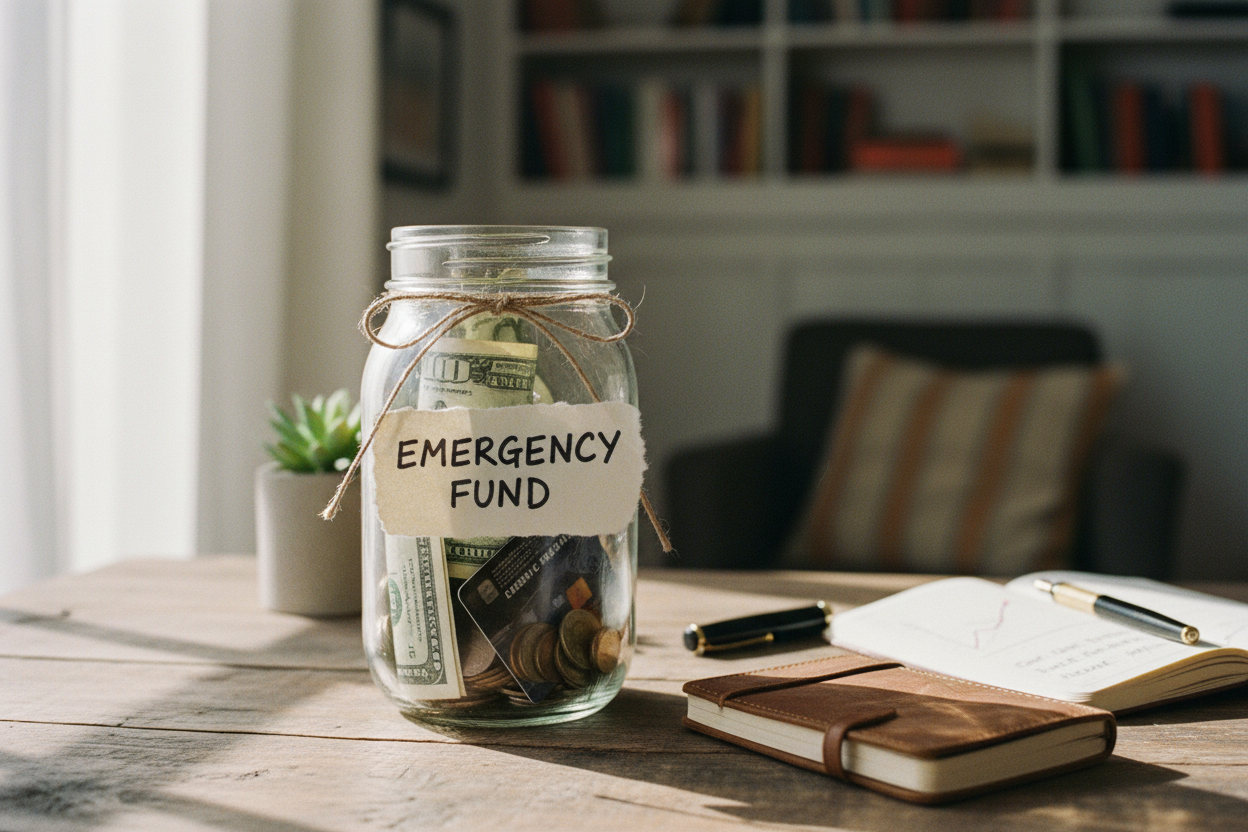
An emergency fund is the backbone of a stable money plan, giving you a financial cushion when life veers off script. Jobs change, cars break down, appliances fail, and medical bills appear without warning. Having cash set aside means you can handle unexpected expenses without taking on high interest debt or derailing long term goals. It is not about predicting every surprise, but about building resilience so a single event does not become a financial crisis. With a dedicated reserve, you gain peace of mind, freedom to make patient decisions, and the ability to avoid panic driven choices like selling investments at the wrong time. Think of this fund as your personal shock absorber, smoothing out the bumps so your budget stays intact. Even a small balance can reduce stress, and momentum builds quickly once you see progress. The key is to start, protect the money from impulse spending, and commit to consistent contributions.
Setting a Realistic Target You Can Reach
The right size for your emergency fund depends on your essential monthly expenses and the stability of your income. Begin by listing must pay items such as housing, utilities, groceries, transportation, insurance, and minimum debt payments. Exclude dining out, entertainment, and extra shopping so you are focusing on a lean baseline. A smart approach is to begin with a starter goal of one month of essential expenses, then grow toward three to six months as your finances allow. If your income is variable or you have dependents, consider a larger buffer. Use a simple formula: add up essentials, multiply by your target months, and set contribution amounts that fit your budget. Track progress with clear milestones so you see wins along the way. Remember, your number is personal; it should feel protective without being so large that it prevents other goals like retirement savings or paying high interest debt. Balance is a core personal finance principle.
Choosing the Safest Place to Keep It
An emergency fund should prioritize safety and liquidity over chasing returns. A separate high yield savings or money market account keeps the money accessible while reducing temptation to spend. Keeping it separate from your everyday checking creates a mental barrier, yet you can still transfer funds quickly when needed. Look for accounts with no monthly fees, easy transfers, and reliable customer service. Government insured deposits add an extra layer of protection, ensuring your safety focus is not compromised. Avoid parking emergency money in stocks, long term bonds, or volatile assets where value can swing just when you need the cash. Accessibility matters too; test the process to withdraw or transfer so you know the timing. If you prefer structure, you can hold a small portion in checking for ultra fast access and the remainder in savings for a better rate. Your guiding criteria are liquidity, low risk, separation, and straightforward access.
Building the Fund Step by Step
Consistency beats intensity when growing an emergency fund. Automate transfers on payday so saving becomes a pay yourself first habit, not a hope. Start with an amount you barely feel, then increase contributions as bills drop or income rises. Use micro tactics like round ups, cash back sweeps, and redirecting small windfalls to accelerate progress. Trim a few discretionary expenses for a season to free up cash, or negotiate recurring bills for a permanent boost. Sell unused items and earmark the proceeds for your fund to create fast wins. Track milestones with a simple progress bar and celebrate each step to stay motivated. Name the account something meaningful to reinforce its purpose. If emergencies occur while building, use what you have and resume contributions as soon as possible. The goal is momentum, not perfection. With regular deposits and a clear target, your financial cushion will grow faster than you expect.
Rules for Using and Replenishing Your Fund
Protect your emergency fund with a clear use policy. True emergencies are urgent, necessary, and unforeseen, like job loss, essential car repairs, medical needs, or critical home fixes. Non emergencies include vacations, gifts, upgrades, and most planned expenses that belong in a sinking fund. Before tapping the reserve, ask three questions: Is it necessary, is it urgent, and is there a cheaper safe alternative. If yes, use the fund without guilt and focus next on replenishment. Refill it by temporarily increasing contributions or diverting extra cash until you hit your target again. If a large expense arises, consider partial use combined with negotiating costs or payment plans to preserve flexibility. Avoid financing emergencies with high interest credit when a dedicated reserve can prevent long term damage. Your fund is a tool to stabilize life, not a display balance, so use it wisely and restore it promptly.
Keeping Momentum and Adapting Over Time
An emergency fund is not set and forget; it should evolve as your life changes. Review your essential expenses periodically, especially after moving, changing jobs, or adding dependents. Adjust your target and contributions so coverage stays adequate. When your fund reaches goal, keep a small automatic deposit to offset inflation and occasional dips. If income becomes more predictable, you may trim the target slightly and redirect savings to investments or debt payoff. Conversely, if income turns variable, increase the buffer for extra safety. Refresh motivation with mini challenges, such as no spend weeks or redirecting subscription savings, and mark milestones to reinforce progress. Keep the account separate and resist the urge to chase higher returns with added risk. The payoff is peace of mind, smoother cash flow, and freedom to make thoughtful choices during stressful moments. With steady habits and regular checkups, your safety net will remain strong and ready when you need it most.