The Ultimate Kitchen Herb Garden at Home
Create a thriving kitchen herb garden with smart light, soil, and watering tips, plus the best herbs, pruning, and year-round care for fresh flavor.
Choose Herbs With Purpose: Begin by selecting herbs that match your cooking habits and your space. If you love Italian dishes, start with basil, oregano, parsley, and rosemary; for bright, zesty meals, reach for cilantro, mint, chives, and dill. Consider each plant's growth habit: mint can sprawl and is best contained in its own pot, while compact thyme and chives tuck neatly along a windowsill. Balance perennials like rosemary and thyme with annuals such as basil and cilantro to ensure steady harvests and fresh flavors. Pay attention to sun exposure and airflow, and think about how your kitchen routines intersect with plant care—herbs you'll snip daily should be within easy reach. If you're new to gardening, start with sturdy choices like mint and chives; if you crave a challenge, try coriander-to-cilantro timing or germinating parsley, which takes patience. Propagate budget-friendly cuttings of rosemary, oregano, and mint, and group herbs with similar water needs to simplify maintenance.
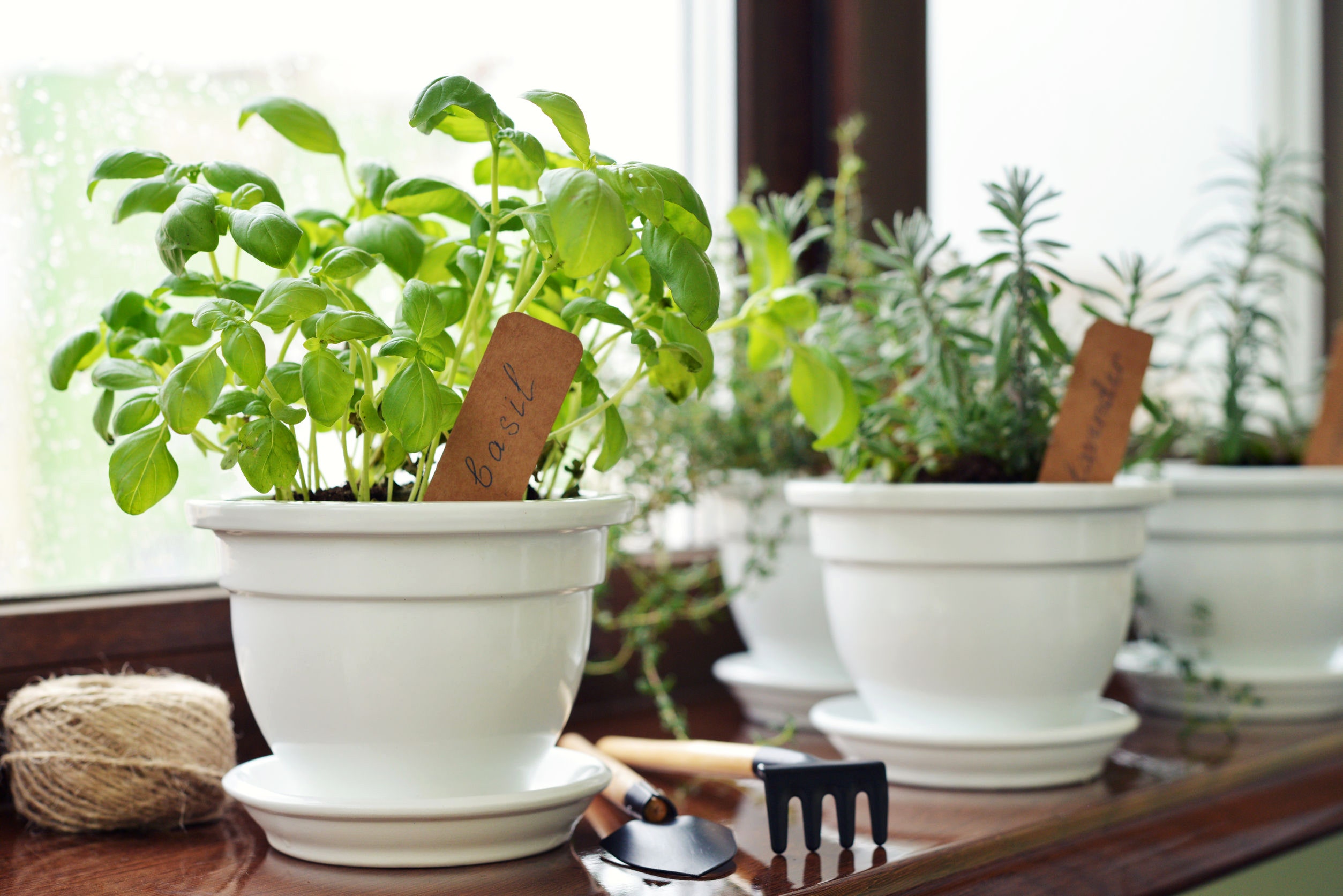
Light, Space, and Containers: Successful kitchen herb gardens hinge on smart placement and the right containers. Most herbs thrive with abundant sunlight, so prioritize bright sills, balcony rails, or a reflective nook that amplifies light. If natural light is scarce, supplement with gentle grow lights positioned close to foliage to prevent legginess. Choose breathable terracotta for dry-loving Mediterranean herbs and moisture-retentive plastic or glazed pots for thirsty growers; always ensure generous drainage holes to avoid waterlogged roots. Use a loose, well-draining mix enriched with compost and a bit of perlite for aeration. Right-size pots—too small restricts roots, too large invites soggy soil. Save counter space with vertical racks, hanging baskets, or tiered shelves, and rotate pots so each plant gets even light. Group by microclimate: position basil away from hot, dry drafts; place rosemary where airflow prevents mildew. Keep a saucer under each pot, but empty it promptly to protect root health.
Planting and Daily Care: Set herbs up for resilience with mindful planting and a steady routine. Tuck seeds at the recommended depth, firm gently, and mist until sprouts appear; transplant starts at the same soil line to avoid stem rot. Water deeply, then allow the top layer to dry slightly before watering again, using the finger test to gauge moisture. Encourage bushiness by pinching basil tips above a node, snipping chives at the base, and trimming mint often to keep it compact. Feed lightly with organic fertilizer or worm castings during active growth; overfeeding dulls flavor. Add a thin mulch of fine bark or grit to moderate moisture and cleanliness. Prioritize air circulation, clean shears between cuts, and remove yellowing leaves to deter disease. For pests, start with integrated pest management: rinse foliage, use insecticidal soap, deploy yellow sticky traps for gnats, and isolate new plants for a short quarantine. Track what works in a simple log to refine care season after season.
Harvest, Store, and Cook: The most flavorful herbs come from confident, frequent harvesting. Snip just above a leaf node to spur new shoots, and avoid taking more than a third of a plant at once. Tender herbs like basil and cilantro shine when picked young; woody herbs like rosemary, thyme, and sage offer intense aroma from mature sprigs. For short-term storage, stand stems of parsley and cilantro in a jar of water, cover loosely, and refrigerate; wrap delicate leaves in a damp towel to maintain freshness. Preserve surplus by air-drying small bundles in a shaded, breezy spot, using low heat in a dehydrator, or freezing chopped herbs in ice cube trays with water or olive oil. Turn harvests into compound butters, herb salts, chimichurri, or quick marinades. Pairings are simple: basil with tomatoes, dill with seafood, thyme with roasted vegetables, mint with grains and citrus. Regular small harvests keep plants vigorous and your kitchen stocked with fragrant flavor.
Design, Joy, and Sustainability: A kitchen herb garden should be practical, beautiful, and sustainable. Mix textures—upright rosemary, cascading thyme, and feathery dill—to create visual rhythm, and anchor containers in a cohesive palette so the ensemble feels intentional. Use vertical pockets for trailing oregano, nestle basil near the prep area for easy snips, and weave in edible flowers like nasturtium for color and pollinator appeal. Establish a simple maintenance ritual: morning check for moisture, midweek pruning, and a quick weekend tidy to remove spent stems. Build resilience by keeping a few backup cuttings rooting in water, refreshing tired soil with compost, and rotating containers to prevent pest buildup. Reuse pots, collect kitchen scraps for a small compost bin, and mulch to conserve water. Label everything so family or housemates can help. Most of all, savor the sensory rewards—the brush of aromatic leaves, the sparkle they add to meals, and the daily pause that turns care into calm.