Torque vs Horsepower: What Really Moves Your Motor
Torque delivers the shove; horsepower sustains it. Learn how RPM, gearing, and use case decide what really moves your motor on road or track.
Foundations: Torque and Horsepower Torque is the twisting force that makes a crankshaft turn, while horsepower is the rate at which that turning accomplishes work. In simple terms, think of torque as leverage and horsepower as how quickly that leverage keeps acting over time. Mathematically, power grows when either torque increases or the engine spins faster, which is why rpm is a crucial multiplier. A motor that produces strong low-end torque feels eager right off idle, but a motor that maintains torque at higher rpm often posts higher horsepower, enabling stronger performance as speed rises. Neither number tells the whole story in isolation. Torque sets the immediate shove; horsepower sustains the shove as revs climb and drag mounts. What really moves your motor is how these two combine through the usable rev range. Understanding this relationship demystifies spec sheets and helps explain why a modestly torquey, freely revving engine can outrun a stump-pulling mill that runs out of breath early.
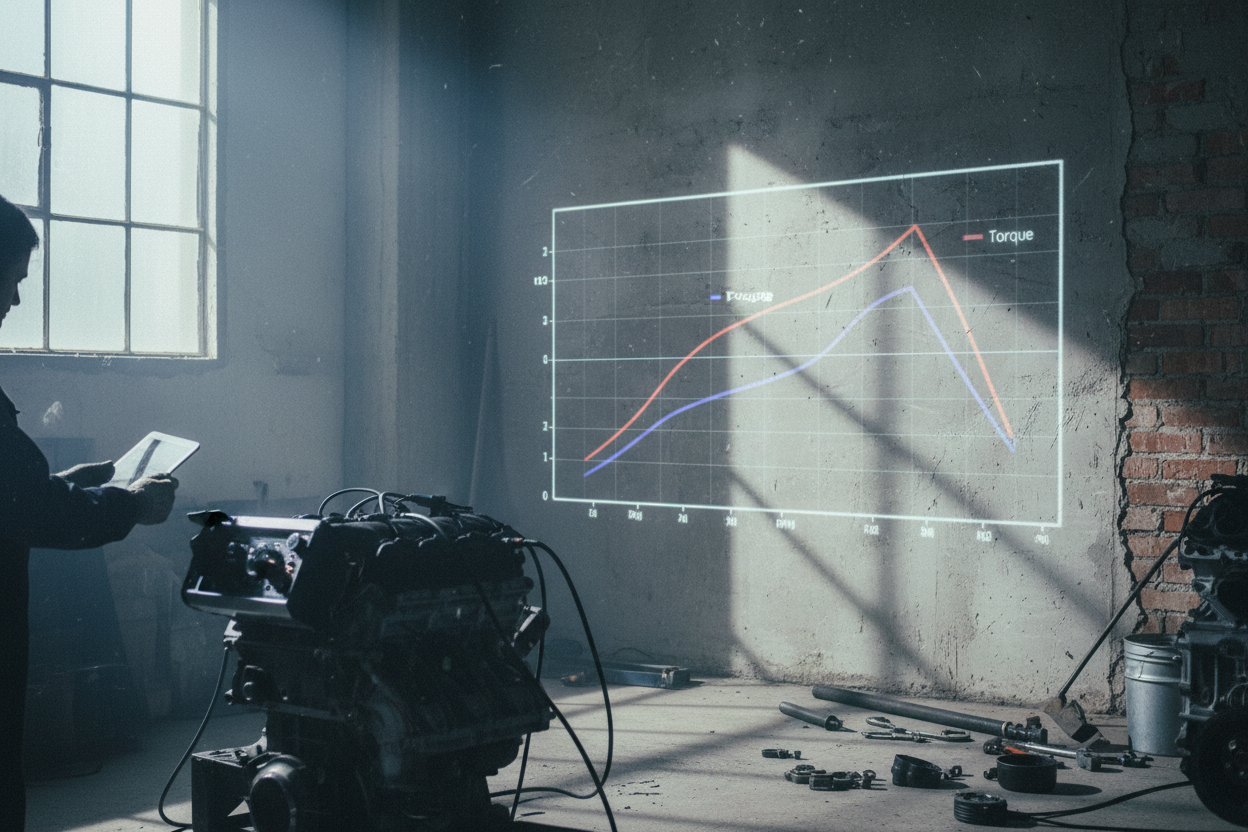
How They Feel on the Road In daily driving, torque is the sensation that presses you into the seat when you tip into the throttle from a stop or climb a hill without downshifting. It helps with hauling, towing, and relaxed city cruising because the motor does not need many revs to produce meaningful push. On open roads, horsepower takes the lead, keeping acceleration alive as speeds rise and aerodynamic drag grows. This is why passing performance and top speed correlate more closely with horsepower than with peak torque alone. But there is a powerful mediator: gear ratios. Shorter gearing multiplies engine torque at the wheels, amplifying the launch and midrange feel. Taller gearing stretches each gear for quieter cruising and uses horsepower to maintain pace. The best setup depends on use case: quick starts and steep grades favor torque-rich delivery and shorter gears; sustained high-speed running favors robust horsepower, a broad powerband, and ratios that keep the engine in its sweet spot.
Curves, Gearing, and Wheel Torque Peak numbers are headlines, but drivability lives in the torque curve and resulting wheel torque after gearing. An engine with a wide, flat torque plateau delivers consistent thrust across rpm, reducing the need for frequent shifts. Even a smaller motor can feel punchy if gearing provides strong torque multiplication in the lower gears. Real acceleration depends on wheel torque equals engine torque times overall ratio times driveline efficiency. That is why two engines with similar horsepower can feel totally different: one might make its power up high, the other earlier and longer. Smart shifting strategies keep the engine in its powerband, hopping between rpm points where combined torque and power are strongest. Traction matters, too; tires can only convert so much torque before they slip. The art is balancing gearing, tire grip, and engine delivery so the motor's output becomes clean, usable thrust that translates to confident launches, brisk midrange pull, and composed high-speed performance.
Motor Types and Power Delivery Different motors shape torque and horsepower in distinct ways. Many naturally aspirated engines build strength progressively, rewarding revs with growing horsepower as breathing improves. Turbocharged setups often produce a broad torque swell, giving early punch and sustained power if the turbo stays spooled. Diesel designs typically deliver high low-end torque at modest rpm, ideal for heavy loads and steady climbs, even if they run out of revs sooner. Electric motors shine with near-instant torque, creating effortless launches, while total horsepower and thermal limits determine how long that surge can be sustained at speed. Hybrids blend strategies, using electric torque fill to smooth gaps in the combustion engine's curve. Each approach alters the shape, breadth, and placement of usable thrust. What matters most is how the curve aligns with gearing and purpose, ensuring the powerband you rely on matches the way you accelerate, cruise, tow, or carve corners.
Choosing What Really Moves Your Motor Spec sheets can dazzle, but smart choices start with needs. If you tow, climb, or crawl, prioritize accessible torque, a broad powerband, and gearing that multiplies thrust at low rpm. If you chase lap times or long, fast cruises, emphasize sustained horsepower, cooling capacity, and ratios that keep the engine on the boil. Consider vehicle mass, aerodynamics, drivetrain losses, and traction; they can make a strong engine feel average or an average engine feel lively. Upgrades that improve breathing, reduce pumping losses, or optimize engine mapping may reshape the curve more effectively than chasing a single peak number. Maintenance matters as well: fresh fluids, clean filters, proper tires, and aligned driveline components preserve the torque you paid for and the horsepower you expect. In the end, what really moves your motor is harmony among torque, horsepower, rpm, and gearing, transformed through tires and traction into motion that feels right for how you drive.