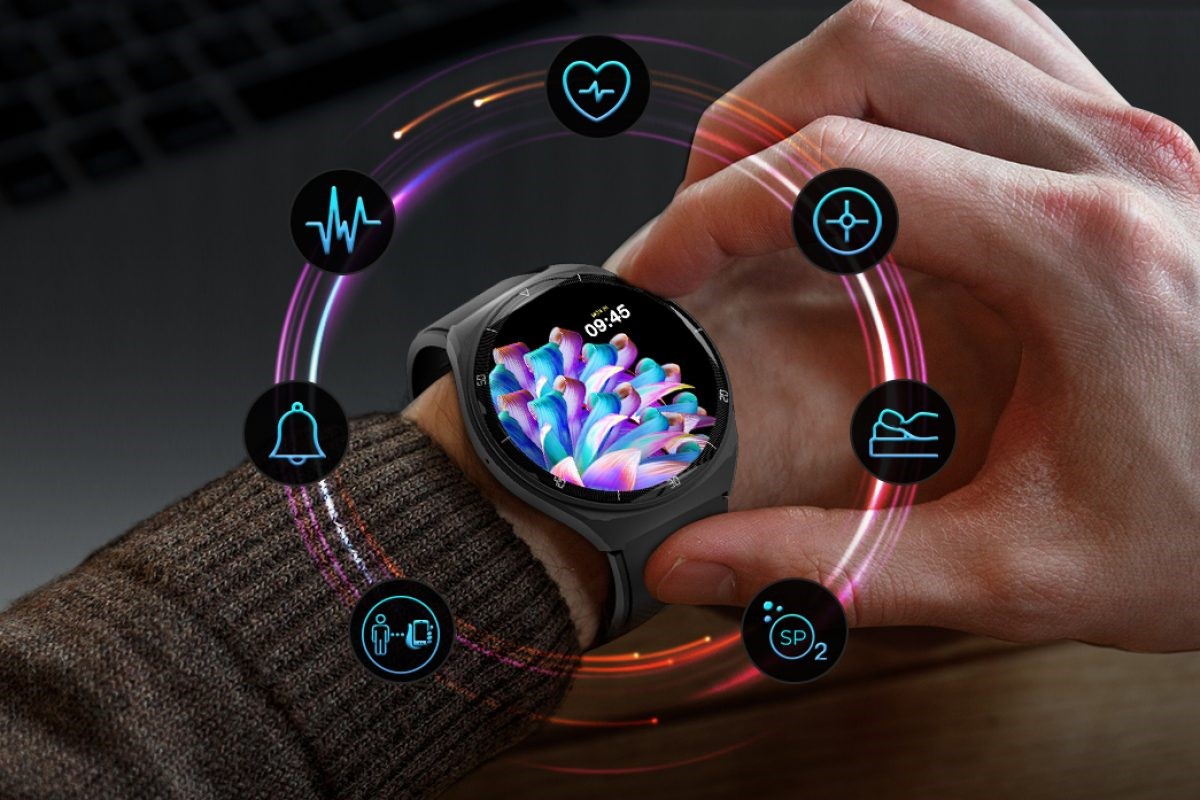
Wearables That Work: Fitness Trackers and Smartwatches Demystified
Confused by wearables? This guide separates fitness trackers from smartwatches, explains key features, and helps you pick the right device.
What Wearables Do: Fitness trackers and smartwatches sit at the intersection of computers and consumer electronics, turning your wrist into a personal dashboard for movement, health, and everyday convenience. A fitness tracker focuses on activity tracking, counting steps, monitoring heart rate, and logging sleep with minimalist displays and long battery life. A smartwatch blends those capabilities with richer apps, notifications, and on-device controls like music, voice assistants, and contactless payments. Form factors range from ultra-thin bands to premium watches with bright OLED screens and interchangeable straps. Under the hood, they all rely on compact processors, efficient Bluetooth radios, and specialized sensors to translate motion and physiology into insights. The magic lies in how well hardware and software interpret your day, surfacing guidance you can act on. Whether your goal is to move more, train smarter, or stay connected without pulling out your phone, the right wearable can lighten cognitive load, reinforce healthy habits, and make technology feel more ambient and supportive rather than distracting.
How Sensors Work: Modern wearables weave multiple sensors into a single device to capture different signals and then combine them using sensor fusion. An accelerometer and gyroscope characterize motion for step detection, cadence, and sleep movement. Optical heart rate sensors use PPG light to estimate pulse and sometimes SpO2. A barometer reads elevation changes for stairs and hill climbs, while GPS or connected phone location maps routes and pace. Some devices add skin temperature, EDA for stress indicators, or ambient light for display tuning. Algorithms smooth raw data, handle sampling rates, and filter out motion artifacts. Accuracy depends on fit, skin contact, and placement; a snug band, one to two finger widths above the wrist bone, usually improves readings. Tattoos, heavy arm swing, or extreme temperatures can challenge optics. Battery life reflects trade-offs between sensor intensity and screen usage, so enabling continuous GPS or always-on display drains faster. Expect precision to vary by metric, and look for trend consistency rather than perfection.
Choosing the Right Device: Start with goals. If you want simple activity tracking with excellent battery life, a streamlined fitness tracker may be ideal. If you value apps, notifications, voice control, and richer customization, a smartwatch delivers broader capability. Runners should seek precise GPS, pace alerts, and training metrics; swimmers need robust water resistance and stroke detection; lifters may appreciate rep counting, rest timers, and durable cases. Consider comfort, weight, and strap materials that suit your skin and climate. Evaluate display readability in sunlight, button versus touch controls, and build quality like aluminum or stainless steel with hardened glass or sapphire. Check compatibility with your phone, supported health platforms, and the app ecosystem for integrations you prefer. Look at charging method, typical runtime, and power-saving modes for travel. Assess data portability, including export options, and whether advanced insights require a subscription. Finally, try on devices if possible; the best wearable is the one you actually enjoy wearing every day.
Accuracy and Metrics: Wearables estimate many metrics; knowing how to interpret them is key. Steps are derived from motion patterns and can vary with stride style. Heart rate from optical sensors is generally reliable at rest and steady effort, but a chest strap often outperforms it during high-intensity intervals. Calories depend on models that mix movement, heart rate, and demographics; treat them as directional. Training metrics such as VO2 max estimates, training load, and recovery time are model-based guides, best used for trend tracking over time. HRV, resting heart rate, and sleep stages can reveal readiness and lifestyle effects, but nightly swings are normal. For outdoor workouts, expect occasional GPS drift near tall buildings, trees, or tunnels; lock satellites before starting and consider auto pause. Calibrate stride length for indoor runs and tag workouts correctly for better algorithms. Above all, prioritize consistency, compare like-with-like sessions, and use the data to make incremental, sustainable adjustments.
Smart Features That Matter: A compelling smartwatch balances convenience with restraint. Useful notifications surface only what you choose, reducing interruptions while keeping you responsive. Voice assistants handle quick queries, timers, and smart home controls hands-free. Contactless payments let you leave your wallet behind, with PIN or biometric protection on the wrist. For workouts, music storage and Bluetooth earbud pairing simplify phone-free runs, while offline maps or breadcrumb navigation support exploration. Productivity perks include calendar syncing, reminders, and quick replies. Safety features like fall detection, emergency SOS, or location sharing can add peace of mind, especially for solo training. Customizable watch faces, widgets, and complications surface metrics you care about at a glance. Power users may value LTE models for independence from the phone. Look for thoughtful touches such as do not disturb, sleep mode, and theater mode, which help the wearable blend into your life without demanding constant attention.
Health and Safety Considerations: Many wearables extend beyond fitness into wellness and health-aligned utilities. ECG spot checks, irregular rhythm notifications, and blood oxygen readings can flag signals worth discussing with a clinician, though they are not diagnostics. Stress tracking, breathing exercises, and mindfulness prompts encourage recovery as much as effort. Menstrual cycle tracking helps with planning and trend awareness. Prioritize privacy by reviewing app permissions, encryption claims, and sharing controls; decide which platforms can access your data and enable additional protections like device passcodes. For skin health, choose breathable bands, rinse after sweaty or salty sessions, and avoid overly tight wear to reduce irritation, especially if you have nickel sensitivity. Accessibility features such as haptics, voice guidance, large text, and high contrast modes can make information easier to consume on the move. Remember that wearable insights support healthy choices; they should inform, not replace, professional advice or your own body awareness.
Tips for Daily Use and Longevity: Get more from your wearable by forming repeatable routines. Set SMART goals, enable gentle nudges, and use streaks or badges as optional motivation rather than pressure. Customize heart rate zones, workout screens, and alerts so you see what matters mid-session. Build a frictionless charge habit, such as topping up during a shower, and toggle power-saving modes when traveling. Keep firmware and apps updated for performance, security, and new features. Sync regularly so data is backed up; consider exporting your history for analysis or migration. Periodically recalibrate GPS and confirm health profile details to maintain accuracy. Clean sensors and straps with mild soap and water, and rotate bands to let skin breathe. If issues arise, restart, unpair then repair, or perform a factory reset after backing up. Think sustainably by choosing devices with repairable bands, long-term software support, and responsible recycling or trade-in options when it is finally time to upgrade.